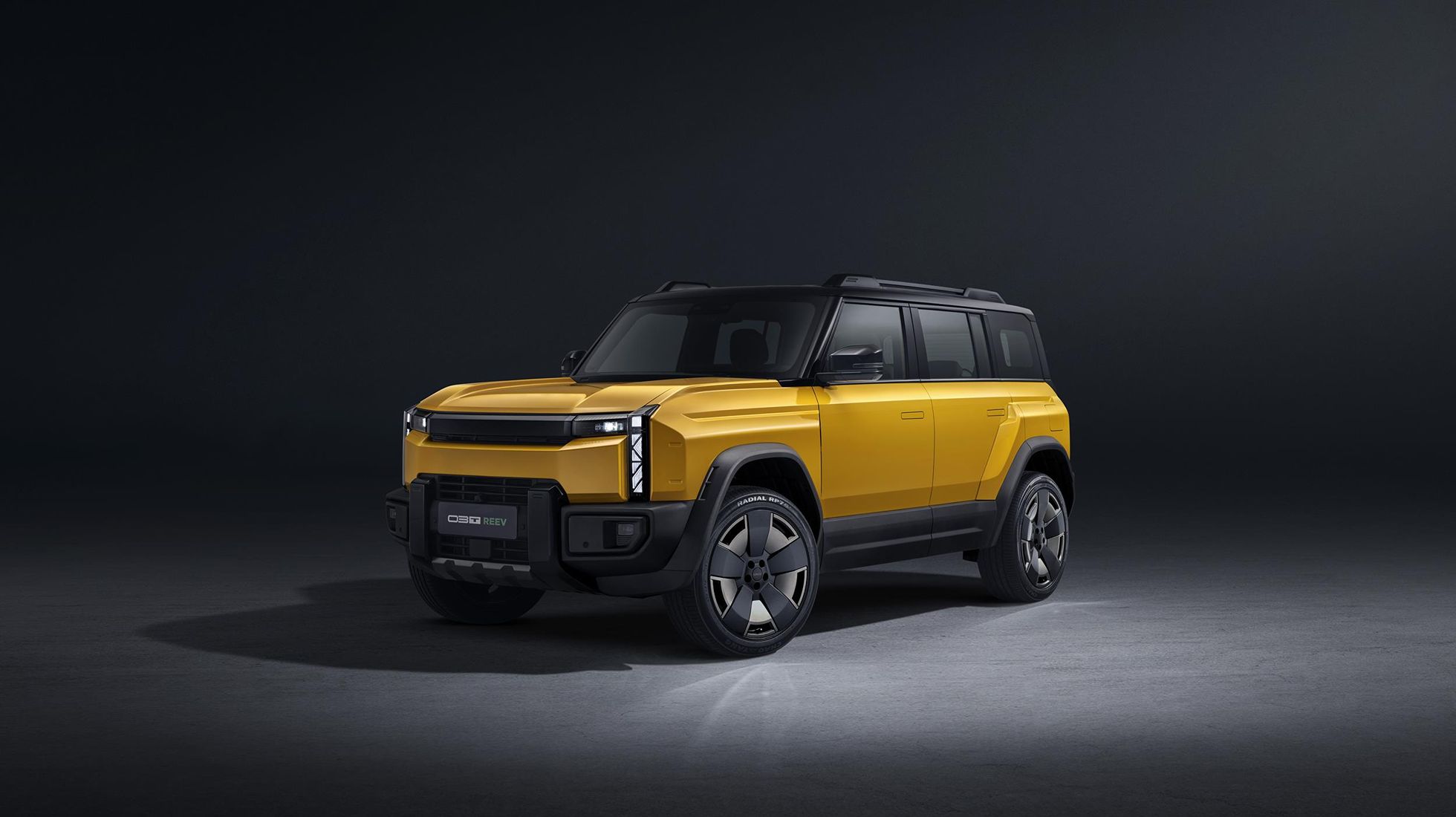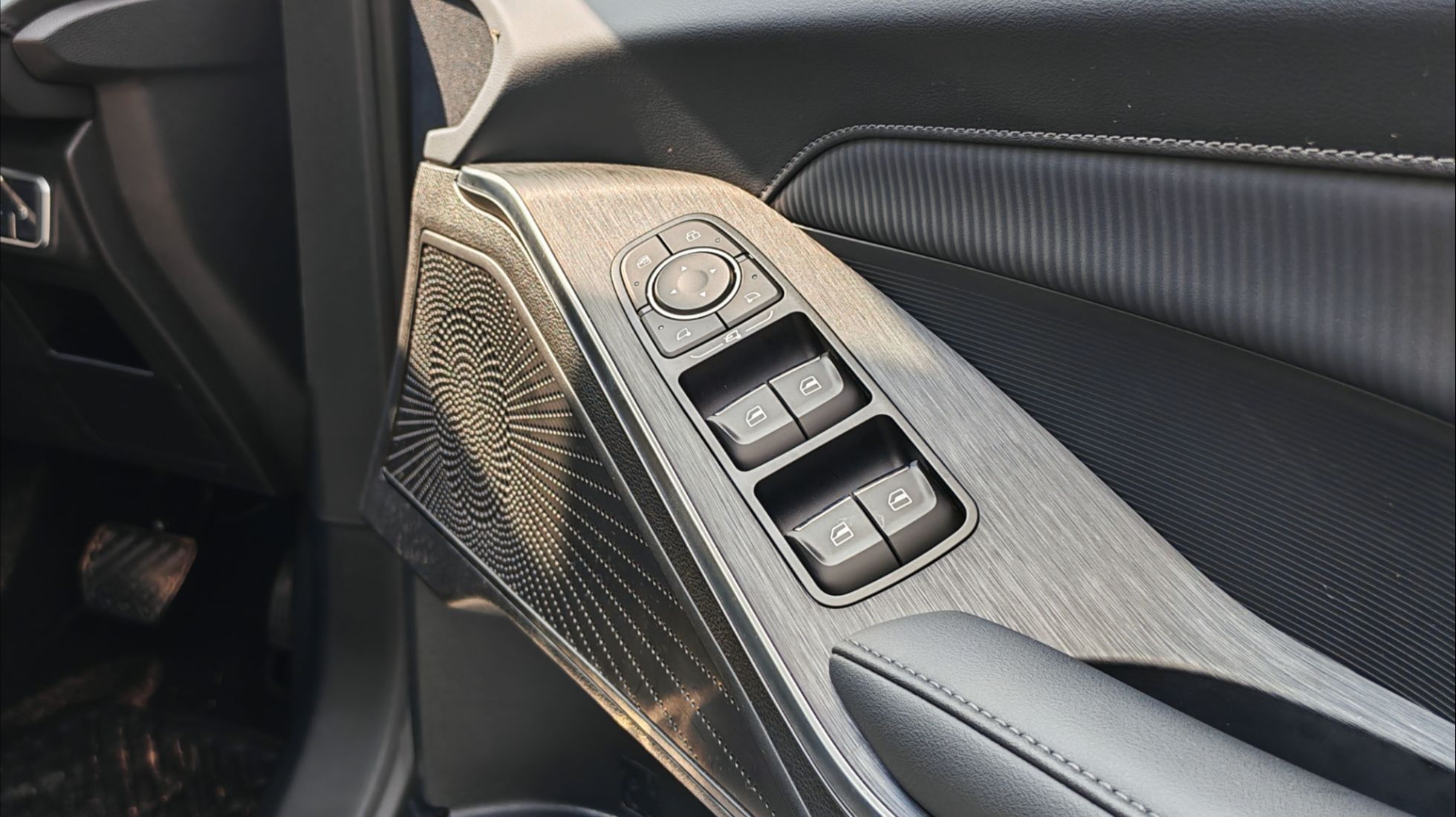
GWM has deservedly earned some goodwill in South Africa with its standard H6 selling in respectable numbers, and an after-sales network that’s consistently improving and expanding its footprint. And now its sub-brand, Haval, has finally launched its standard H6 with hybrid and plug-in capability at a price considered generally competitive.
Does it look different?

For the most part, it doesn’t look drastically different. The H6 PHEV is stylistically near-identical to the petrol and HEV models with the same geometric-patterned front grille, the same headlights and the same rear styling. It gets 19-inch black alloy wheels with run-flat tyres (the batteries take up the space normally reserved for a spare tyre), black roof rails, and a PHEV badge at the rear.
The interior ticks the right boxes

Like other H6 models, the PHEV’s interior relies heavily on digital real estate. GWM’s latest Coffee OS infotainment system runs on a 14.6-inch central touchscreen paired with a 10.25-inch digital instrument cluster. Apple CarPlay and Android Auto are part and parcel of the interior rollout, alongside a 9-speaker audio system, 50W wireless charging pad and, according to South African preferences, a panoramic sunroof. Heated and ventilated front seats complete what, on all accounts, is a generous standard specification sheet.
What’s under the bonnet?
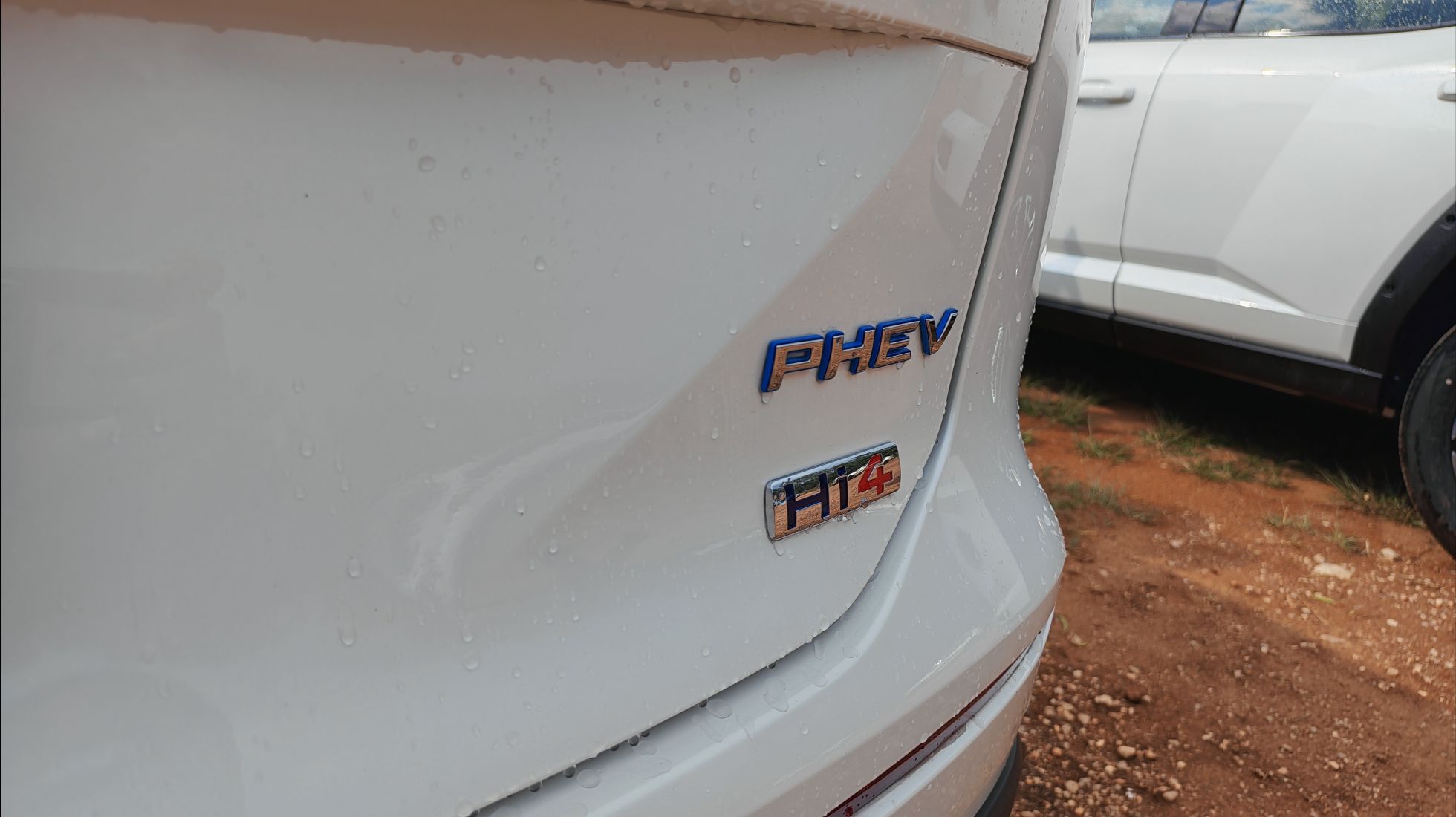
The Hi-4 drivetrain, GWM’s hybrid all-wheel-drive system, pairs the now-familiar 1.5-litre turbocharged engine with two electric motors, one per axle. In the range-topping ‘AWD’ derivative, this combination produces 268kW and a torquey 760Nm. The 2WD model, meanwhile, offers a still-respectable 240kW and 540Nm. A 19.09kWh battery delivers a claimed 106km of electric-only range (take that with a pinch of salt, obviously) with Haval saying a combined range of over 1,000km is possible on a full tank and charge.
How does it drive, though?
With surprising polish. NVH (noise, vibration and harshness) levels are good, with the transition between electric and petrol power being exceptionally smooth. Acceleration is rapid with the system total 268kW and 760Nm translating into a claimed 4.85-second zero to 100km/h sprint time thanks to the electric motors on the Hi-4 filling in where turbo lag and inertia live.
In town, the one-pedal drive mode (E-Pedal) engages strong regenerative braking when activated. During a drive in Midrand’s peak-hour traffic, I managed to gain range with this setting activated, as the H6 PHEV effectively charged itself whenever I eased off the accelerator.
About some warning lights…
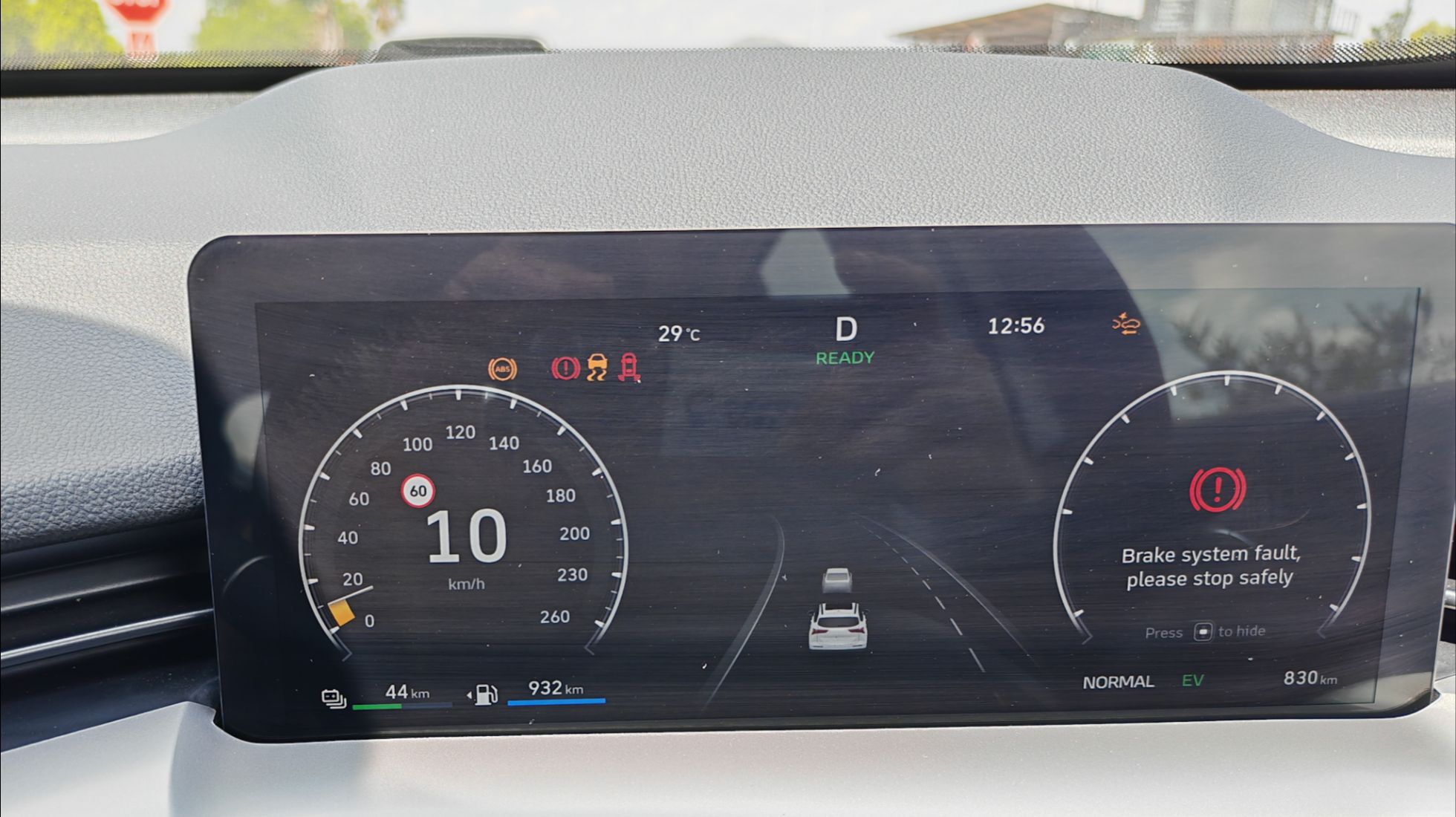
Now, in the interest of objective reporting (and don’t say that TGSA doesn’t provide solid consumer advice), I should mention that my test unit developed a “Brake System Fault” warning during the drive. This lit up ABS, traction control and sensor warning lights across the digital instrument cluster, which was a bit worrying. Haval’s technicians traced the issue to a disconnected plug, which isn’t exactly anomalous on early-build vehicles.
The replacement unit drove faultlessly, even through flooded areas following a storm. Worth knowing, though, if a similar gremlin ever befalls your H6 PHEV…
What does the Haval H6 PHEV cost?

At R699,900 for the two-wheel-drive model and R749,900 for the all-wheel-drive model, the Haval H6 PHEV undercuts the Toyota RAV4 Hybrid (HEV), which costs R763,800. The H6 offers considerably more power and, naturally, the added ability to plug the car into a charger until such time that Toyota launches its new PHEV derivative later this year. Range and battery-size differences are trivial, but Toyota claims a total driving range of 1,146 kilometres thanks to an 18.1kWh onboard battery. Other competitors include the Geely E5 EM-i Apex plug-in hybrid (R679,999) and the BYD Sealion 6, which starts at R639,000.
Is it perfect? Not quite, no. There’s an overreliance on digital real estate, and that brake warning episode caused some reason for concern. All things considered, however, the H6 PHEV offers good value for money in its market segment, bolstered by a 7-year/200,000km warranty, an 8-year/150,000km hybrid battery warranty, and seven years of roadside assistance.