
First Drive: Lexus ES
The eighth-generation Lexus ES has officially landed in South Africa, and it has a much bigger job this time. With the IS and LS bowing out internationally, the ES is now Lexus’s only sedan, and it has to deliver the comfort, technology and luxury of three very different cars. We headed to Franschhoek to find out if it’s up to the task.
This is a new era for Lexus sedans
For much of its life, the Lexus ES has been the middle child. A very accomplished one, admittedly, but a middle child nonetheless. It never had the sporting ambitions of the IS, nor the absolute opulence and flagship status of the larger LS. Instead, the ES quietly went about its business, delivering excellent refinement, comfort and dependability. But things have changed. Quite significantly, in fact.
With the IS and LS now discontinued in South Africa, the all-new, eighth-generation ES is the sole custodian of Lexus’s sedan legacy. That’s a considerable amount of responsibility for a car that once occupied the comfortable middle ground. The ES must now appeal to a much broader audience, from the executive looking for a refined daily driver to the luxury buyer seeking something approaching LS levels of sophistication or something totally different to whatever the competitors have to offer.
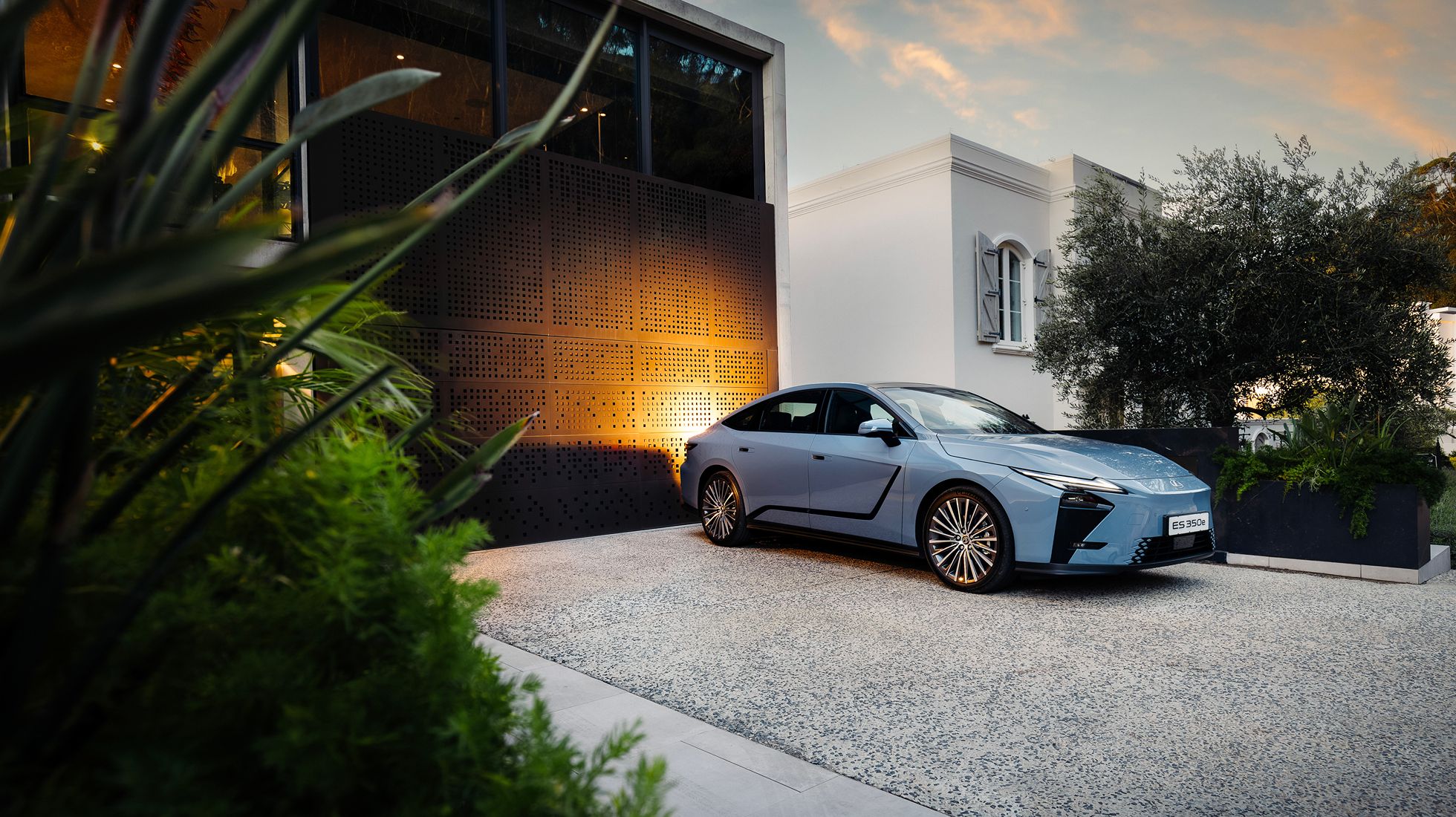
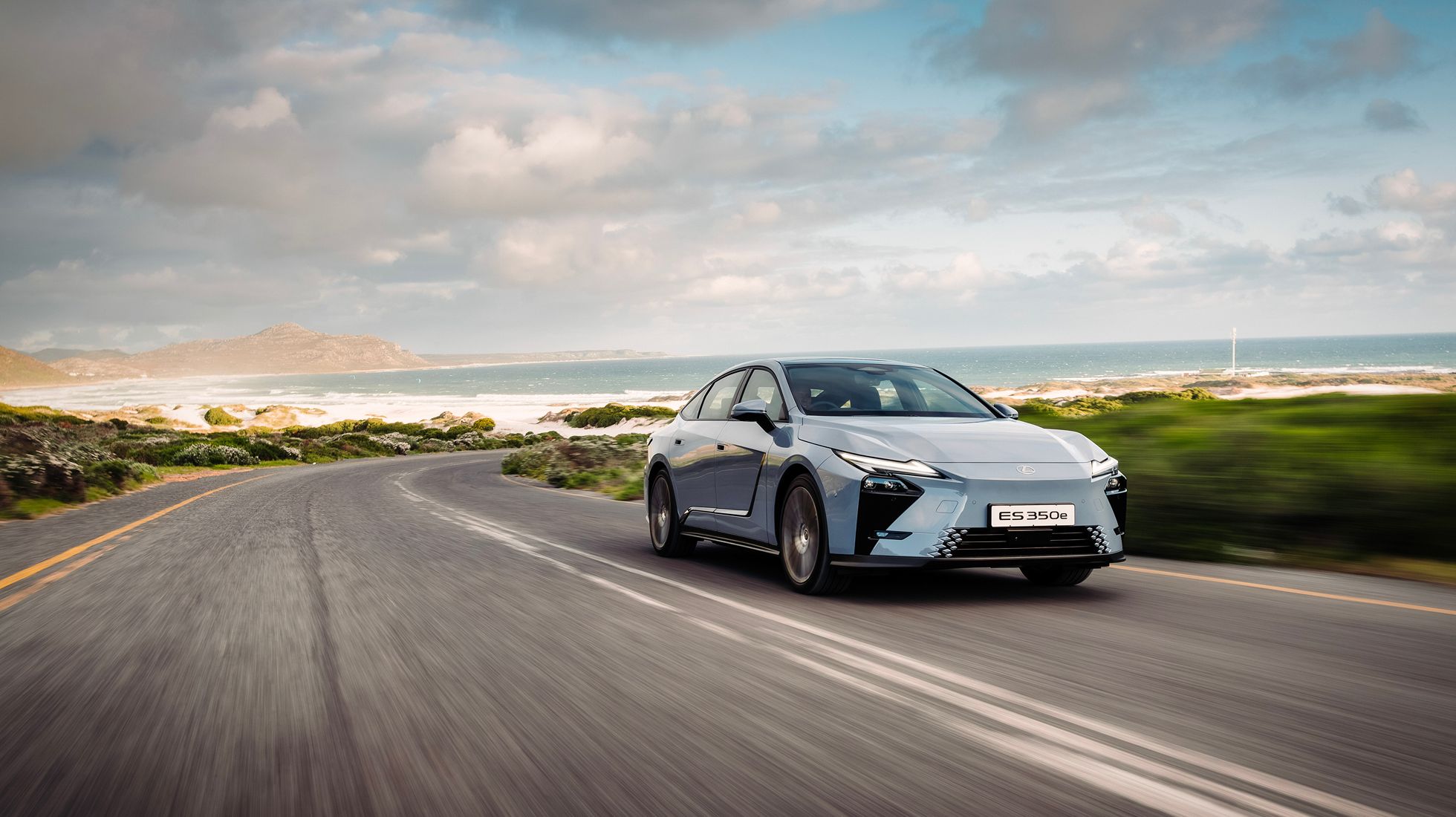
The new ES is a very observable departure from the previous car, now with larger proportions and a more subdued front design, a softer approach than that larger spindle grille of old. The new car has grown by 165mm, while its wheelbase stretches a further 80mm to 2,950mm, giving it a more commanding road presence that moves it closer to what the LS was in perceived exterior luxury. This car carries a cleaner and more integrated interpretation of the brand’s design language, complemented by interesting twin-L lighting signatures, semi-flush door handles and a sleek silhouette. It isn’t starkly striking. It earns a double-take, then a slower look as you take in the whole car. Understated luxury, in other words.
Does the Lexus ES deliver on the luxury front, though?
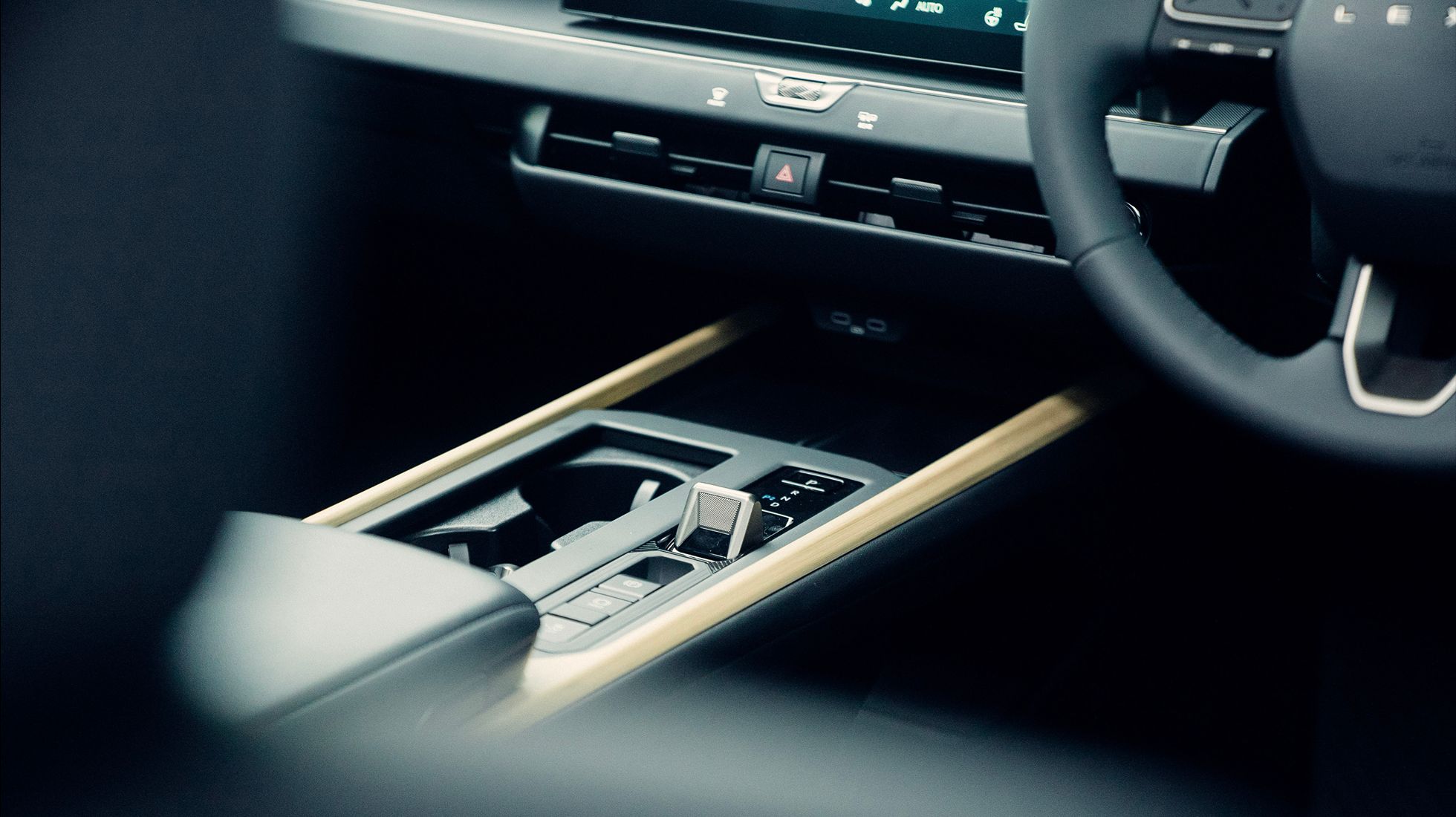
Lexus has always approached luxury somewhat differently from the Germans. Where some manufacturers appear determined to fill every available surface with screens and increasingly elaborate displays, Lexus has traditionally favoured subtle craftsmanship, materials and a less-is-more approach to the overall experience of being inside the car. The new ES continues these philosophies, and in my opinion, they’ve done this rather tastefully.
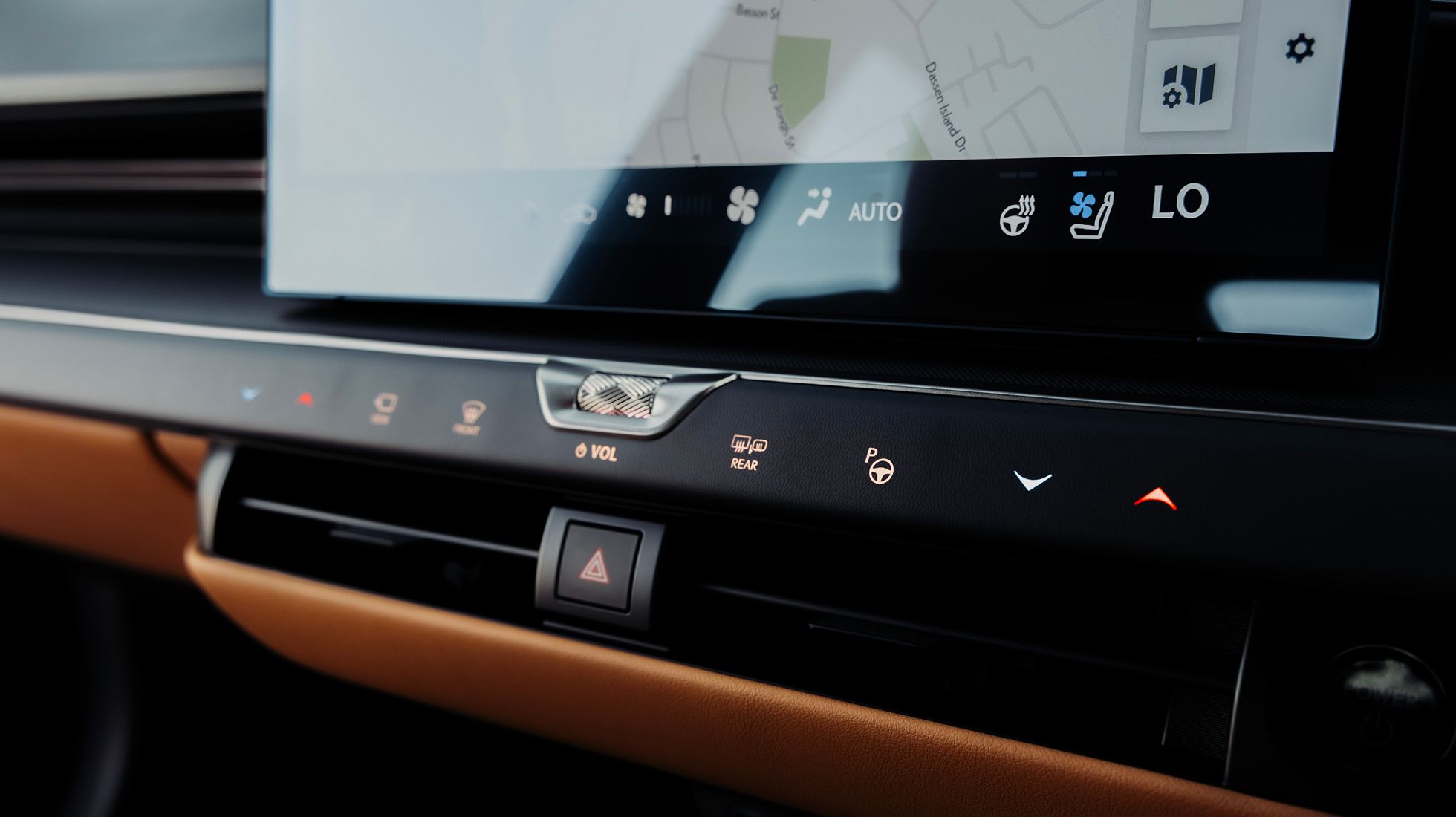
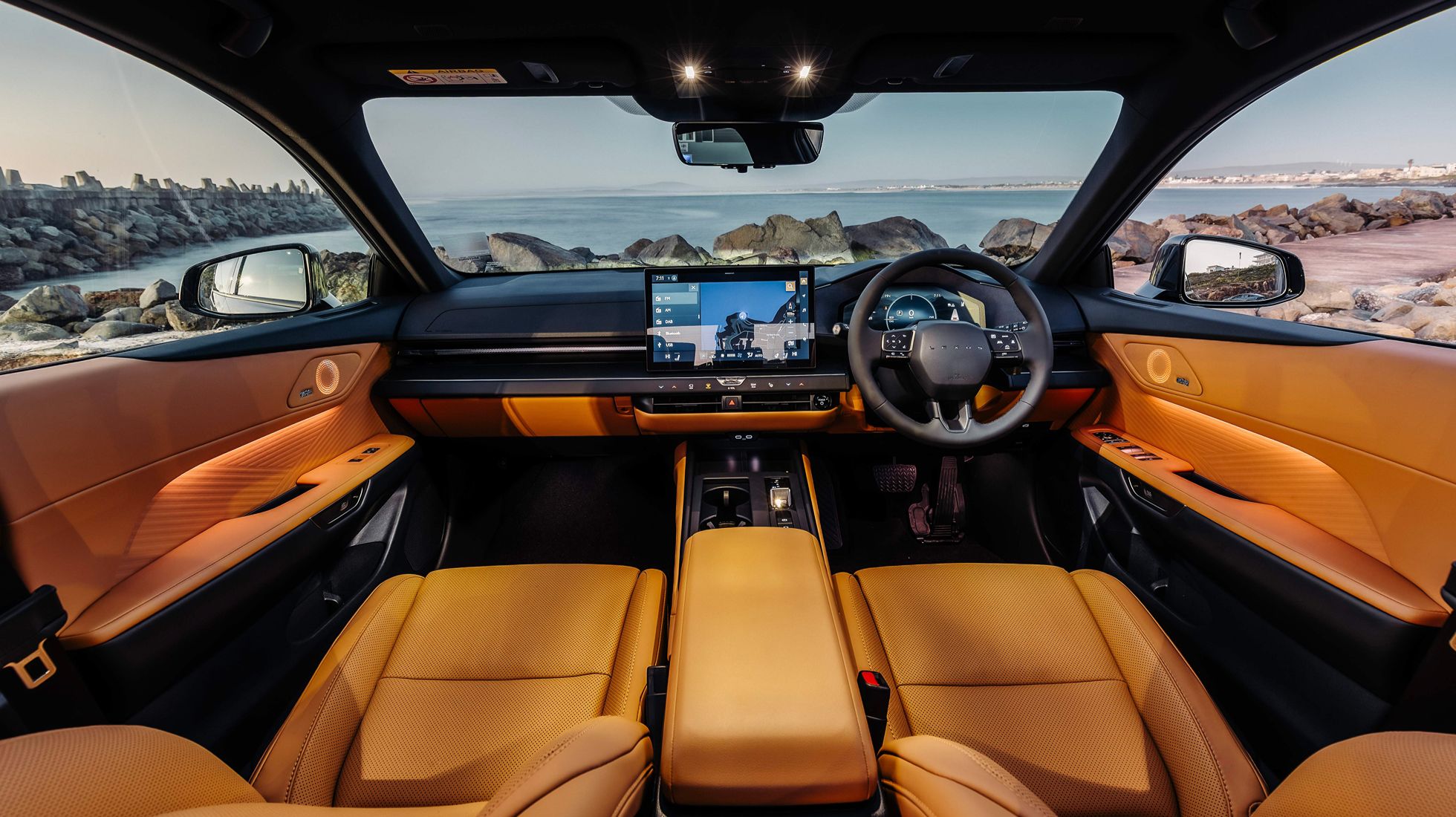
The cabin is a thoroughly modern Lexus environment, with a large, 14-inch central infotainment display, a 12.3-inch digital instrument cluster and a new generation of Lexus controls, switchgear and UX. Yet the technology never feels as though it’s trying to dominate the experience or that it’s quite complex. It’s immersive, intuitive and exceptionally well-integrated into the overall experience.
There are some lovely details, too. Perhaps my favourite is the ambient lighting that shines through the wood-effect and door trim panels. It’s subtle during the day but transforms the interior after sunset, creating an atmosphere that feels genuinely special. It’s the sort of thoughtful execution that separates luxury from simply having a long equipment lisT. I generally turn off all ambient lighting when driving most other cars, but I find that in the ES, I would quite happily drive with the ambient lighting effects in the evening.
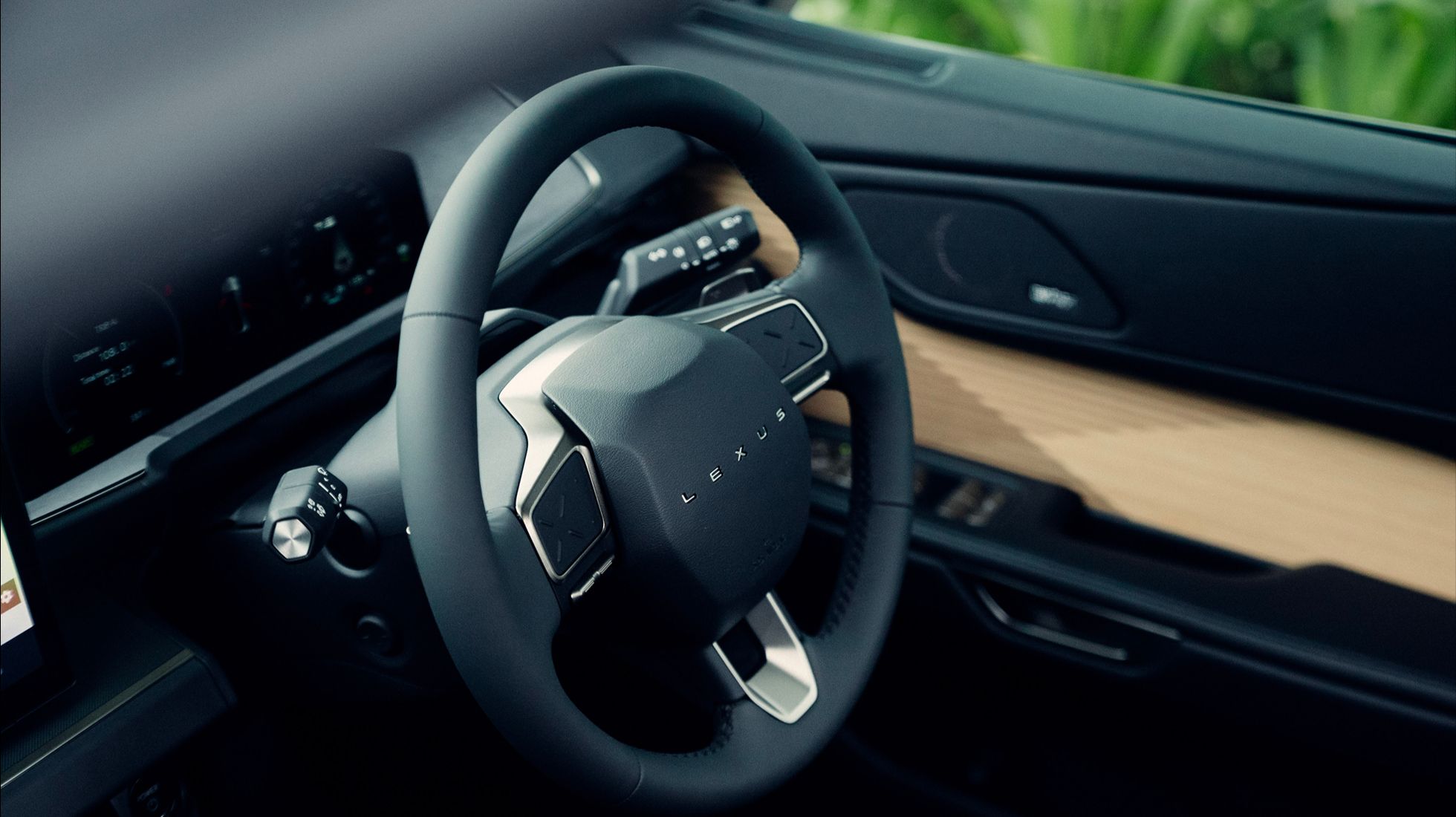
Another special mention is the newly introduced invisible switches, both on the dash panel as well as on the multi-function steering wheel. These switches, which operate climate control among other functions, are invisible until you raise your hand towards the panel, upon which they illuminate and give you a real haptic feel when you press them. On the steering wheel too, whilst your hands are at 9-3, the button array is dark until your fingers hover over the panels, where the buttons light up again. I know it seems entirely gimmicky, but it works exceptionally well, especially if, like me, you prefer less lighting during a long drive. And this car is certainly built for long drives.
Space is another considerable strength, with Lexus seemingly prioritising the second row of seats in terms of spacious accommodation. It’s exceptional back there, with generous legroom, knee room and a real sense of openness. There’s an abundance of USB-C charging points, while higher-specification models add heated and ventilated seating, a panoramic roof and an excellent 17-speaker Mark Levinson sound system that I highly suggest you opt for. Boot space is adequate but not class-leading, with the hybrid models offering 441 litres and the EV increasing that to 462 litres.
The interior is stunning. The ES feels like a car designed around its occupants rather than around the driver’s ego. And that’s entirely the point for Lexus, though some may not find that entirely to their liking.
So it’s comfort above all else then?
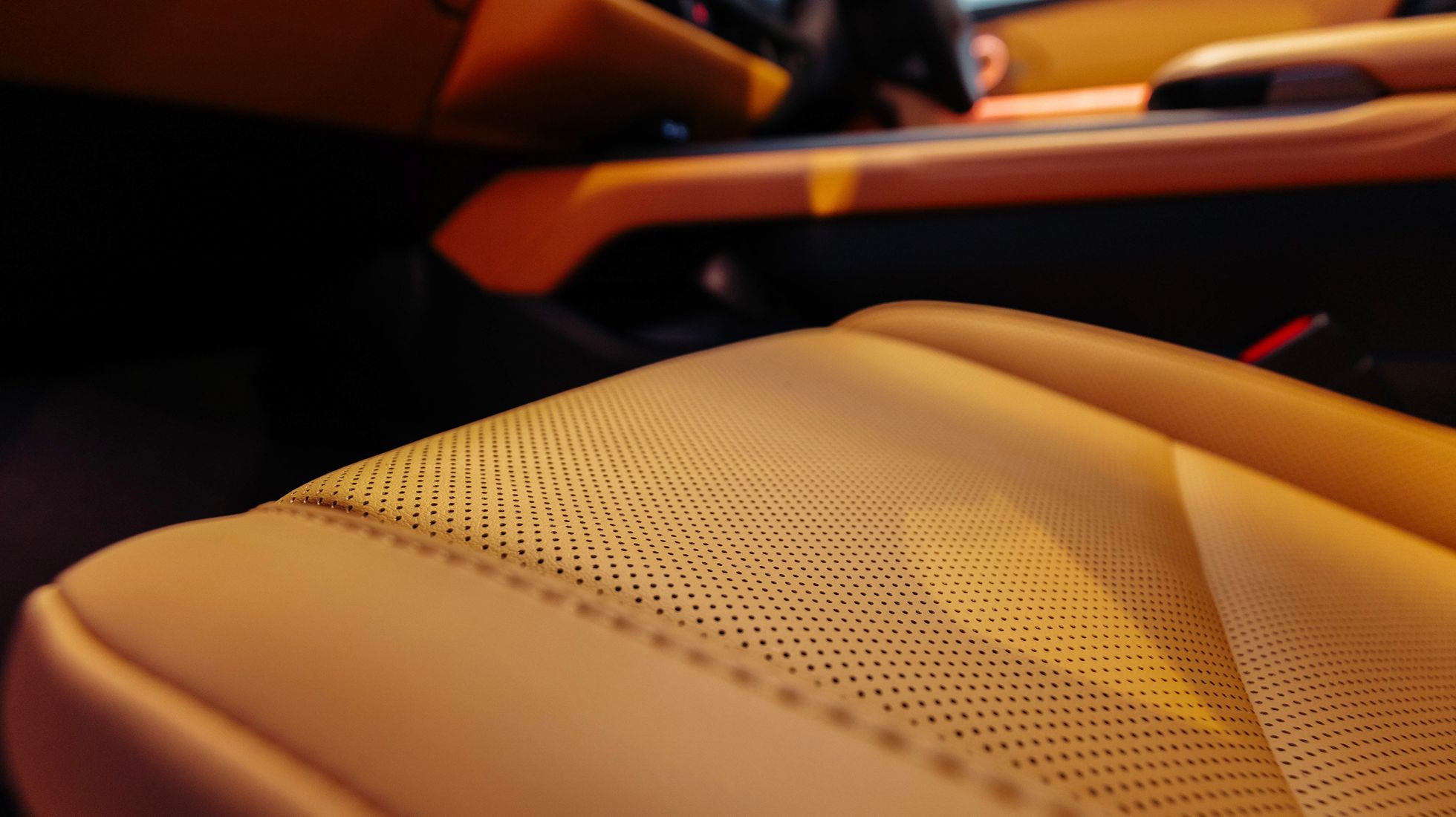
Yes, indeed. On the road, the ES makes its intentions abundantly clear, and I love that it’s not trying to be too many things to a lot of people. This is not a car that demands to be driven hard. It doesn’t encourage you to attack apexes or extend the limits of its chassis. It simply encourages you to settle into its exceptionally comfortable seats, select your preferred driving mode and enjoy the journey. Unrushed, unfussed.
In this, the ride quality is beautifully competent, with a softness and refinement that occasionally reminded me of the larger LS’ limo-like ride. Road imperfections around the winelands of the Cape were dealt with without unnecessary fuss, while the cabin remains impressively isolated from the outside world. Cabin intrusion, whether through the steering, pedals or body vibration, was barely noticeable, which says a lot about the ES’s refinement. It drives with a reassuring composure, and it’s precise enough to make it pleasant even along winding roads. But make no mistake – it’s no sports car. The priorities are clear: comfort, serenity and ease of use win the day.
Even the adaptive cruise control deserves praise. It’s remarkably gentle in its operation, managing acceleration and braking with a level of smoothness that feels perfect for the car. There’s none of the abrupt intervention that can make some advanced driver-assistance systems more irritating than helpful. Even with the ACC off, the ES seems to do the driving for you still. Not literally, but in the way it seems to remove effort from the experience. Where other luxury sedans might demand greater involvement, the Lexus ES seems determined to make every kilometre as effortless as possible.
Ok, so what engines are on offer now? Hybrids, I suppose?
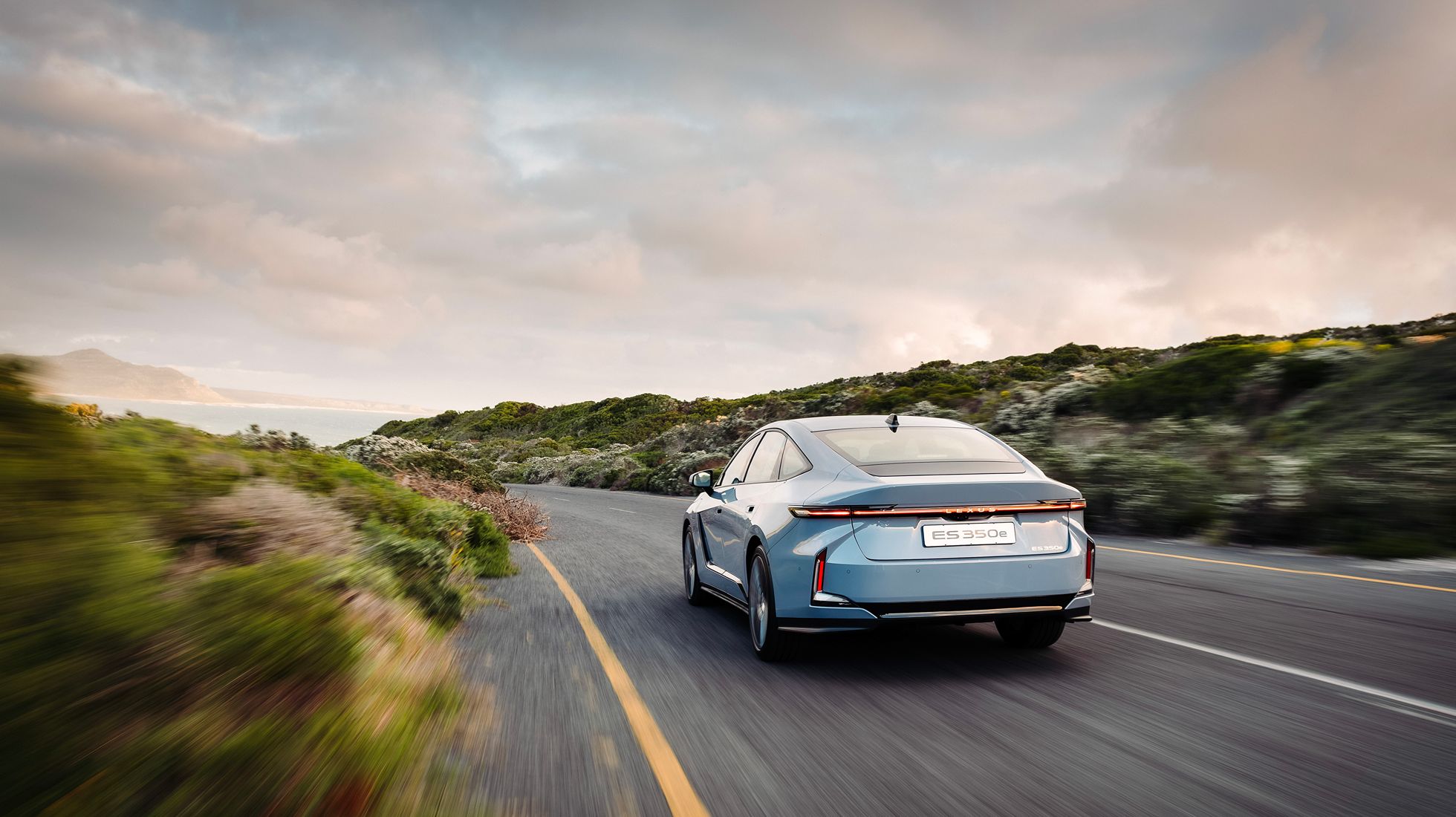
You suppose, well. For Mzansi, Lexus has introduced three derivatives, comprising two hybrids and, for the first time in Lexus ES history, a fully electric model. The ES 350h EX and ES 350h SE use a 2.5-litre 4-cylinder petrol engine paired with Lexus’s latest hybrid tech, delivering a combined system output of 182kW. That’s a useful improvement over the outgoing ES 300h’s 160kW for a start. This engine is a strong performer but again, don’t confuse it with sportiness. The real unique selling proposition for this powertrain is its range, with Lexus claiming 4.4l/100km and over 1,200km of range on one tank.
The Lexus ES 350e SE takes a different approach, employing a front-mounted electric motor producing 167kW and 268Nm. Its 74.69kWh battery provides a claimed range of up to 615km on the NEDC cycle, while Lexus quotes approximately 30 minutes for a DC charge from 0–80%. This powertrain is beautifully aligned with this car, adding to the high levels of luxury feel and also giving the driver access to a fair amount of power at any point of need. Lexus has tempered the delivery of that power to keep it in line with what this car is, but it’s been done well enough. The question here really is whether this powertrain suits you, and that will come down to your own preferred use case. The range question has been answered on both powertrain options.
Bear in mind that, as before, the hybrid derivatives are self-charging systems and don’t require external charging infrastructure. In a market where EV adoption continues to face challenges around pricing and charging access, this gives Lexus a meaningful advantage to have a fully EV option as well as a self-charging hybrid option in the range. Over to you on what you want…
Where does the ES fit into the segment picture?
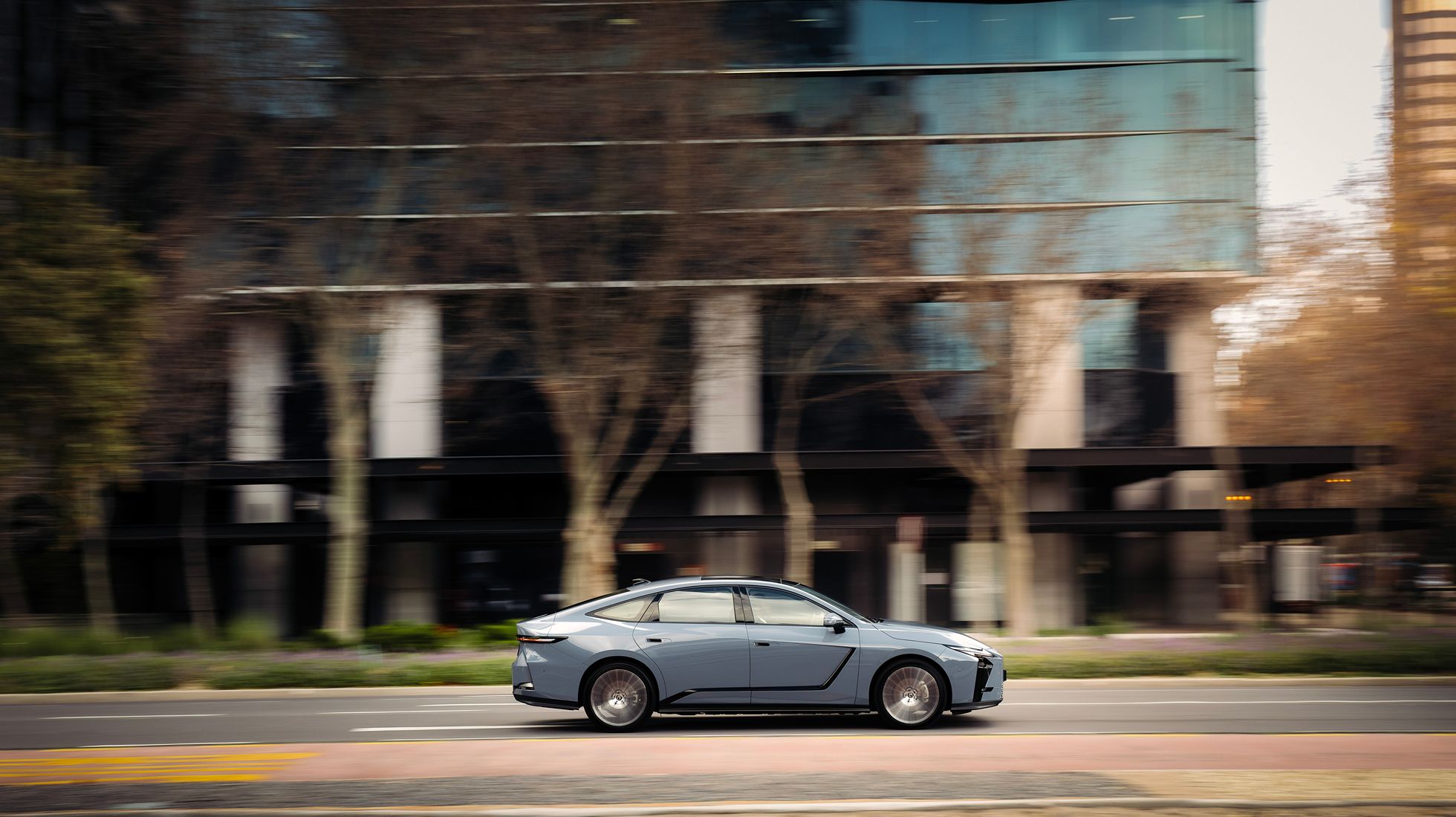
Well, let’s look at the SA landscape, starting with a few numbers. SUVs have become the default choice for many premium buyers, which leaves the luxury sedan to a smaller, more deliberate audience. Lexus’s own market analysis suggests that SUVs account for approximately 66% of premium-market demand, while sedans represent just 12%. It’s hardly surprising, then, that manufacturers are reassessing their sedan portfolios, and Lexus’s answer is to consolidate its lineup behind an all-in ES.
Interestingly, Lexus SA identifies the Audi A5, BMW 3 Series and Mercedes-Benz C-Class among the ES’s competitors, but in my mind, the Volvo ES90, also launched earlier this year, is the most natural rival, with cars like the BYD Seal and BMW’s i5 perhaps also forming part of the consideration pile. From a budget perspective though, that list of German sedans makes sense, but those cars are generally more driver-focused interpretations of executive motoring, and the Lexus is simply not playing that game.
Our introduction to the new ES took place against the rather spectacular backdrop of Leeu Estates in Franschhoek. Exceptional food, extraordinary views, wine tasting and the sort of considered hospitality that Lexus customers should experience. It was a fitting setting for a car that places so much emphasis on the quality of an experience rather than simply the specifications that define it, and that’s a consistency in the Lexus experience that I admire and appreciate. Whether it’s the way the cabin lighting gently illuminates its decorative wooden or leather panels, the effortless manner in which the car covers ground or the attention given to rear-seat passengers, everything appears to have been considered for this obsessively detailed brand. The ES may no longer have its IS and LS siblings to lean on, but perhaps that’s exactly what it needed to get some shine for itself.
For the first time, the middle child has the entire stage to itself, and in this new guise, its launch drive was a rather convincing show.
South African pricing and ownership
Lexus ES350h EX: R1,051,200
Lexus ES350h SE: R1,232,700
Lexus ES350e SE: R1,561,000
All three derivatives include a 7yr/105,000km warranty and maintenance plan, along with an 8yr/160,000km battery warranty.