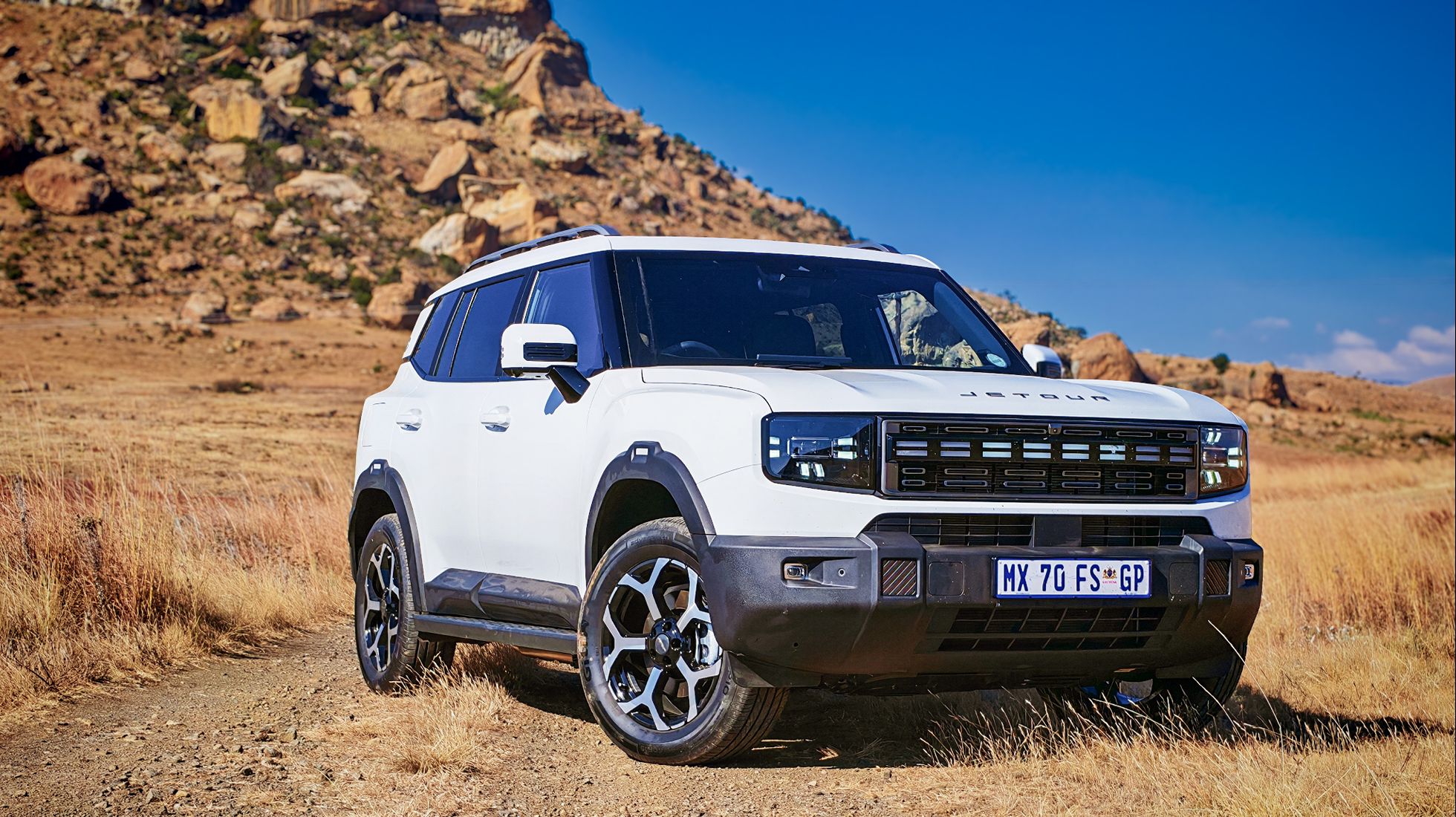
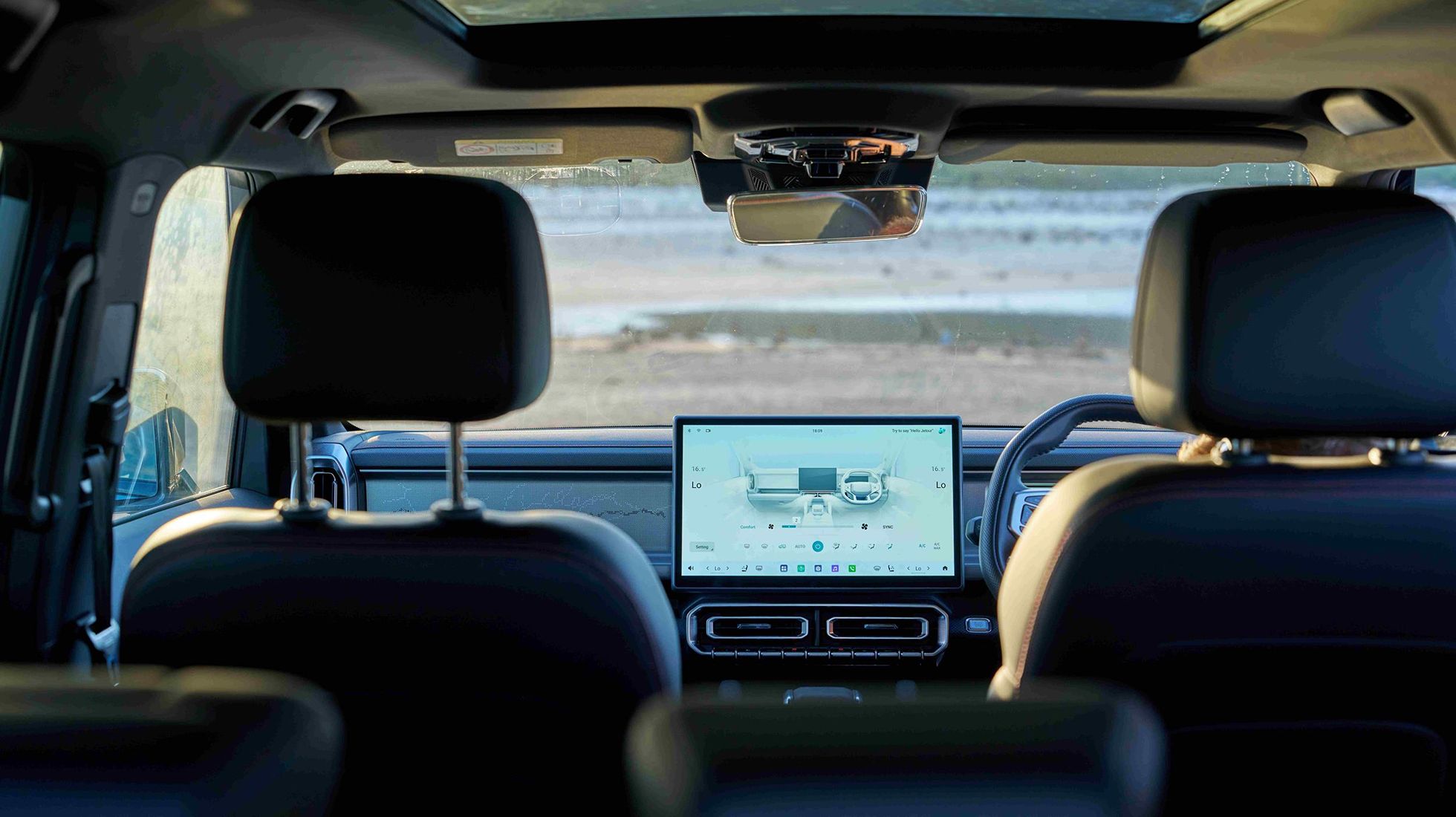
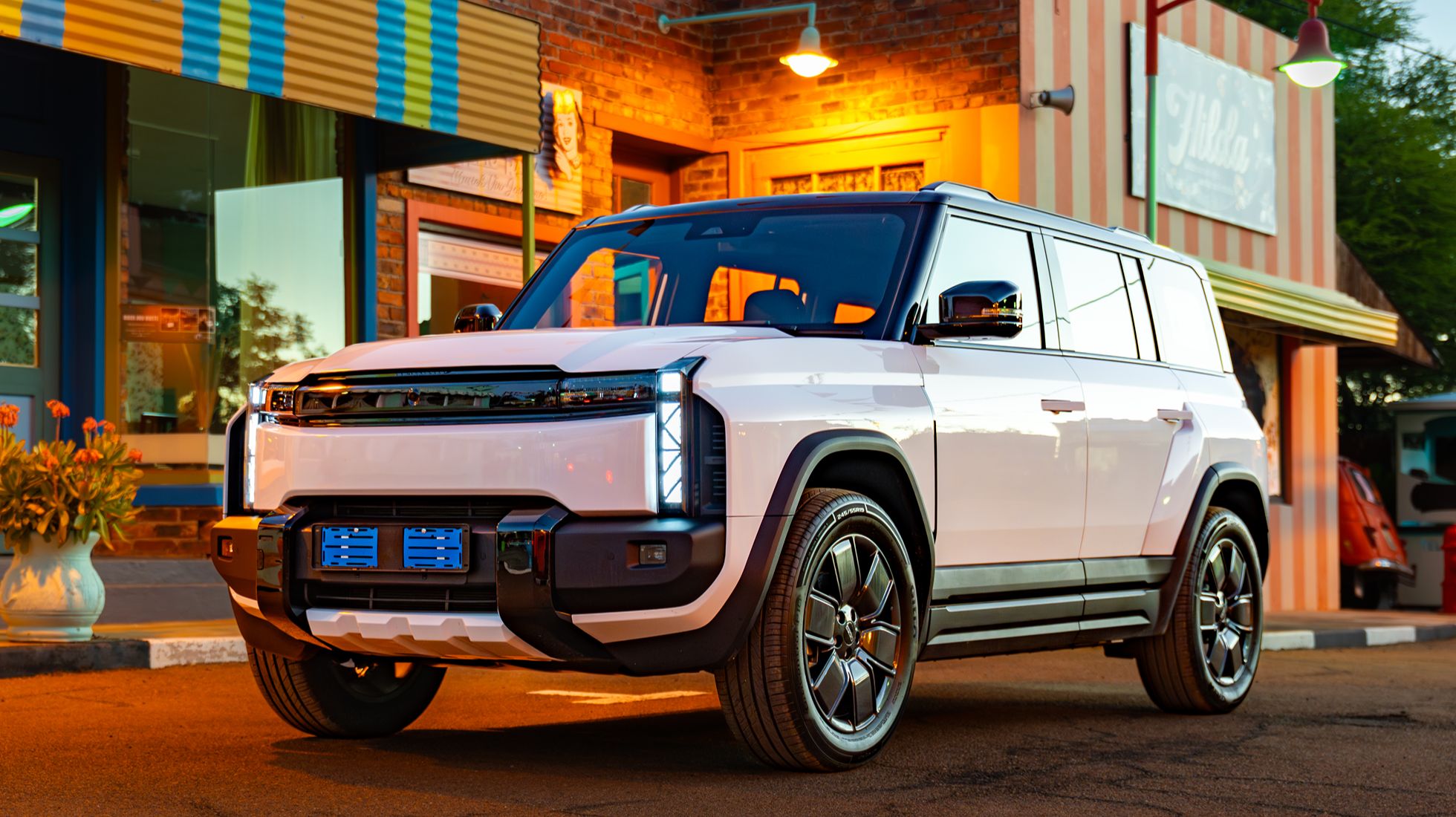
Screen-based functions. Exposed grille-mounted light bar.
What is it?
Chinese cars continue to arrive on local shores at an alarming rate. Probably more relevant to this review, Jetour has been moving and shaking its new and popular T-Series’ to the tune of around 6,000 vehicles sold (at the time of writing) since its local arrival in October of ‘25. Read that again if you must, but that’s a considerable number of units. In less than a year.
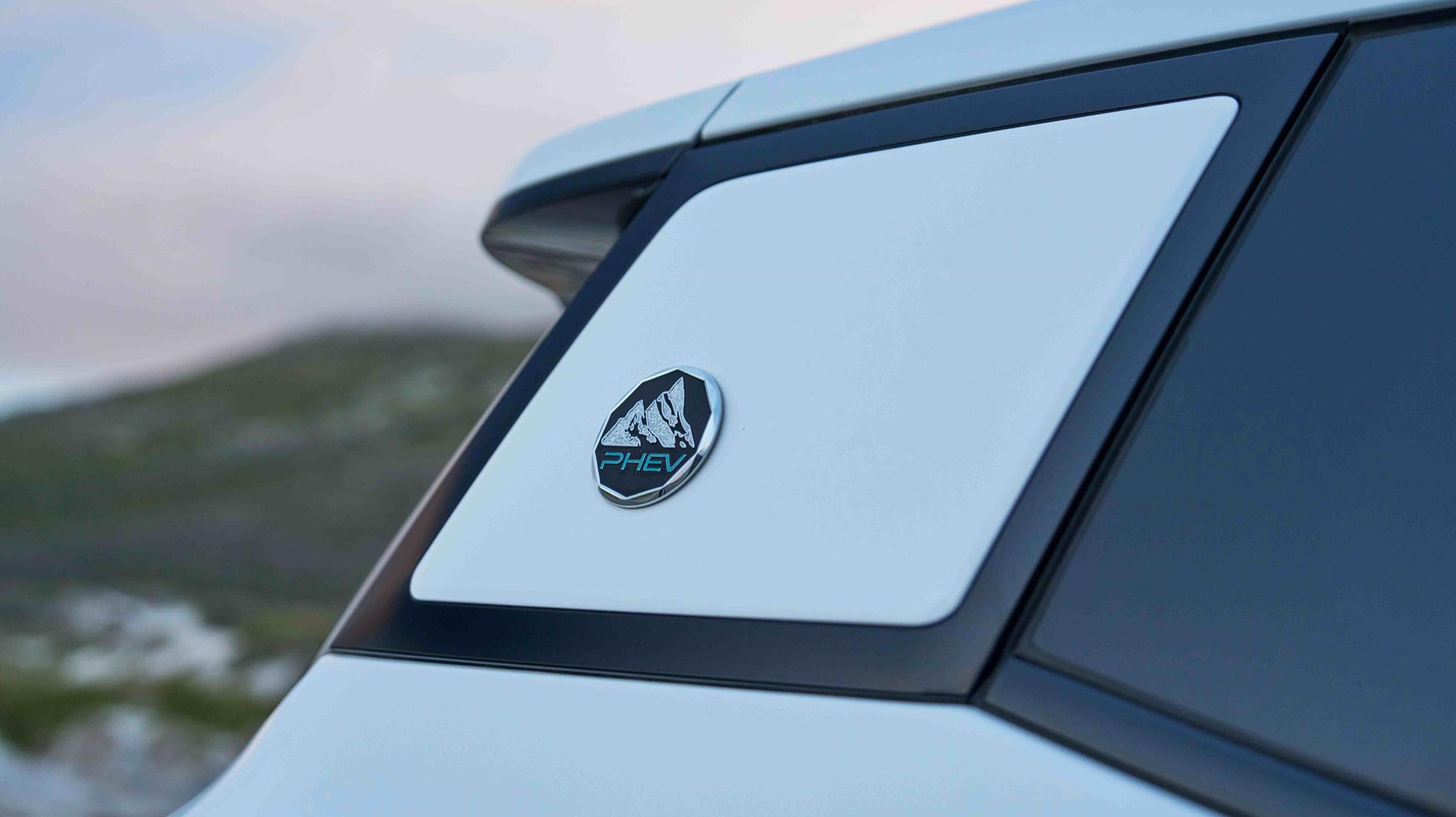
One of the two T-Series nameplates is the T1, the subject of this review. It’s also the ‘less popular’ of the two models on offer yet it still managed to amass over 2,300 units to date at the time of writing this. Less popular? Pfft. Anyway, this T1 i-DM PHEV is the flagship of the range. An i-DM badge, if you’re not in the know, probably doesn’t mean a whole lot. It should, because this is the hybrid derivative that, in terms of pricing, slots in above the top-of-the-line petrol-only model (for an additional R30,000ish outlay) and is also the one that makes the most sense as things stand with us paying through our noses based on the whims of a certain, very characterful U.S. president.
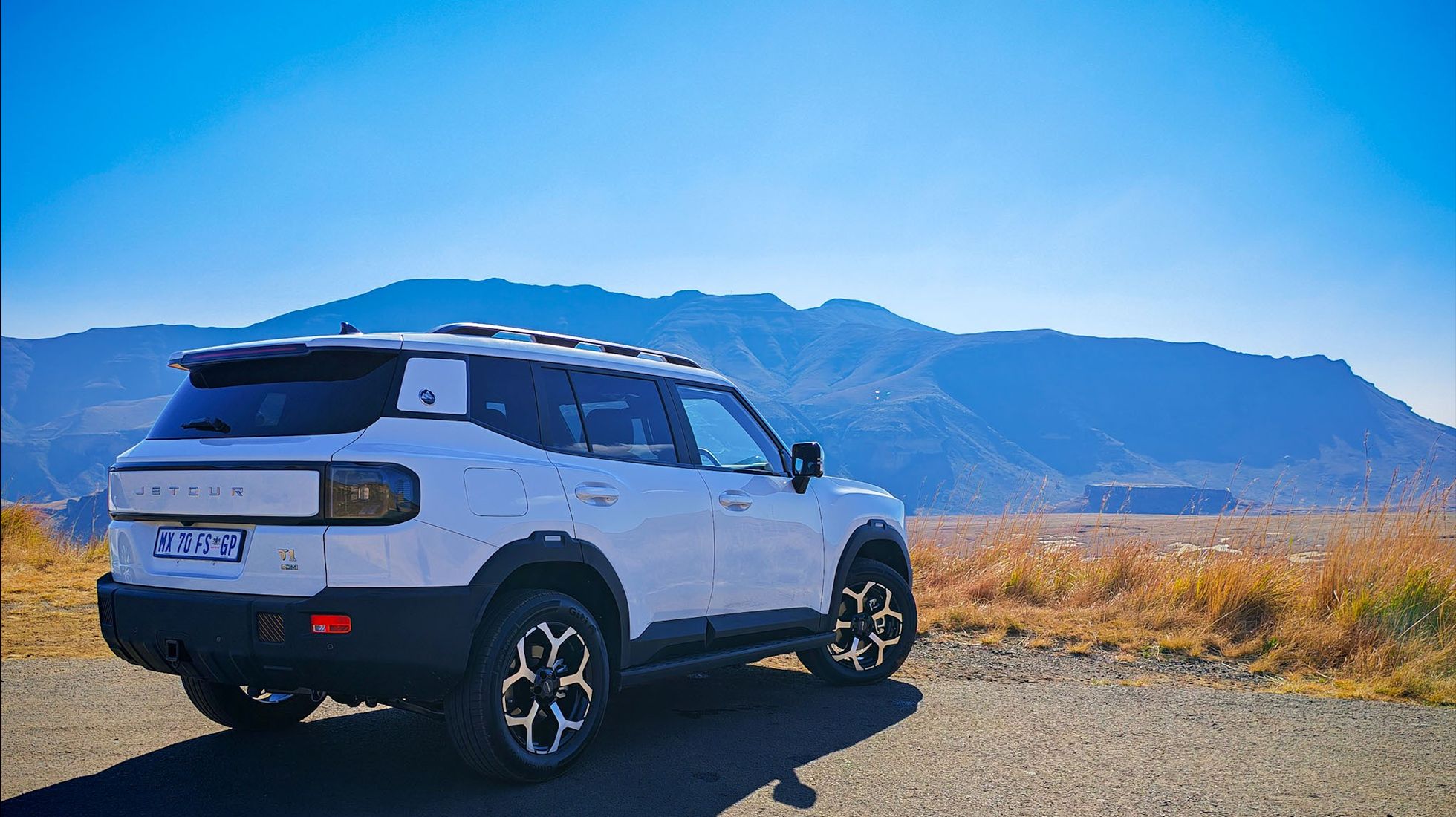
Besides price, the T1’s popularity can also be attributed to its design, for which it won a Red Dot Award in 2024. Judging the coverage it gets, this must be a good thing. While I can’t speak the lingo of people that get paid to draw pretty stuff, I can conclude that it’s a looker of an SUV with those cloverleaf headlights and full-width light bar that replaces the Jetour lettering on the grille. In fact, I appreciate the fact that it doesn’t borrow so many design ideas from the Defender, which is probably why the internet is going crazy for its T2 sibling right about now.
To the powertrain, which also happens to be the entire point of this specific car, and from a consumer perspective, it does exactly what you’d expect. The figures in their totality read 250kW and 530Nm of torque, with the 1.5-litre petrol engine delivering 100kW and 220Nm of that sum.
The 18.4kWh battery, meanwhile, supplies the single electric motor that’s rated at 150kW and 310Nm. The Forced Power Saving mode primarily calls on the petrol engine to generate battery charge, while driving in Smart Mode works more like a hybrid in the traditional sense by summoning everything at its disposal when power is required and drawing from both battery and engine. It does what it’s supposed to when overtaking with plenty of pep, and when you opt to settle down, it’s decently refined, especially in town or city confines where power demands are enough for the battery to supply.
The relatively small battery with an EV-only range of around 60km doesn’t last too long before a forced engine recharge or plug-in is required, but for the most part it is enough to offset the costs of operating an exclusively petrol 1.5-litre unit. Depending on the road and the selected mode, I’d see trip computer readout swings of 11kWh/100km and 3.0l/100km to 12l/100km and 2kWh/100km. The system adds these up and gives a consolidated figure achieved over the last 50km. Jetour, though, claims that with the battery topped up it can do 1.1l/100km… After a week of trying just that, I can confidently conclude that it’s a wildly ambitious figure.
Its ride quality handles South Africa’s unique brand of surface quality with decent grace. The suspension is absolutely geared towards a measure of refinement and comfort rather than dynamic excellence, which is exactly what most South Africans want, so that ought to be a check in its box. It gets wallowy when asked to navigate a set of bends, and it’s not particularly good at keeping its composure over gravel, instead occupying that happy middle ground of general application.
Layout, finish and space
If you’ve ever driven Chinese cars, there will be familiar strokes on the interior with the stowaway-and-forget shelf underneath the centre console area and that ginormous 15.6-inch central touchscreen. The screen looks good and works well, but it suffers the now-familiar flaw of having too many embedded functions. Whatever is wrong with a 12-inch screen and more physical buttons? In this instance, more buttons are…more.
The choice between ‘Smart Power Saving’ and ‘Forced Power Saving’ modes, for instance, depending on driving conditions, requires constant switching since the system decides whether the petrol engine or electric motor is favoured. More on that later, but the point here is that a button would have been perfect instead of endlessly navigating through car settings and setting it up. The wife was the designated screen operator on a weekend away to Clarens.
The fit, finish, and look of the cabin, though, are beyond the level that I expected. There are other quirks, like the wheel-mounted cruise control that’s cumbersome to operate, but in contrast to the charming cabin space, what with passenger-side dashboard motifs and other small decorative touches, my gripes are relatively insignificant in comparison.
Running costs and reliability
Arguably the biggest appeal, besides looks, is the value proposition. It’s a solid SUV with a level of polish that few of its Chinese counterparts can match, without the eye-watering price tag you’d expect from a car this well-equipped. Although the infotainment screen shares some frustrations with the new-wave of touchscreen-everything, and the drive-mode redirections feel unnecessarily complicated, these are relatively small compromises from a value perspective. Another thing to consider is the grille-mounted light bar… It looks good and functions well from an aesthetic and visibility standpoint, but it is susceptible to stone chips, as I found out when an oncoming truck threw a small piece of tarmac into my test car’s lovely grille feature.
Final thoughts
Still, that doesn’t detract from the fact that this is one mightily accomplished Chinese SUV and probably one of the best within the wider Chery stable…quirks, light bars, ambitious consumption claims and all.