
New CX-5 revealed: Bigger, better, but has Mazda done enough?
Mazda has done the unglamorous job of building a mid-size SUV properly. Over the last decade, the CX-5 has been Mazda SA’s best-seller, and worldwide, it’s sold over 5 million units since 2012. That makes it the one SUV that Mazda can’t afford to get wrong.
We received the second-generation CX-5 in SA roughly nine years ago, and Mazda has been continuously refreshing the range. But cosmetics only get you so far. Meet the new third-generation CX-5.
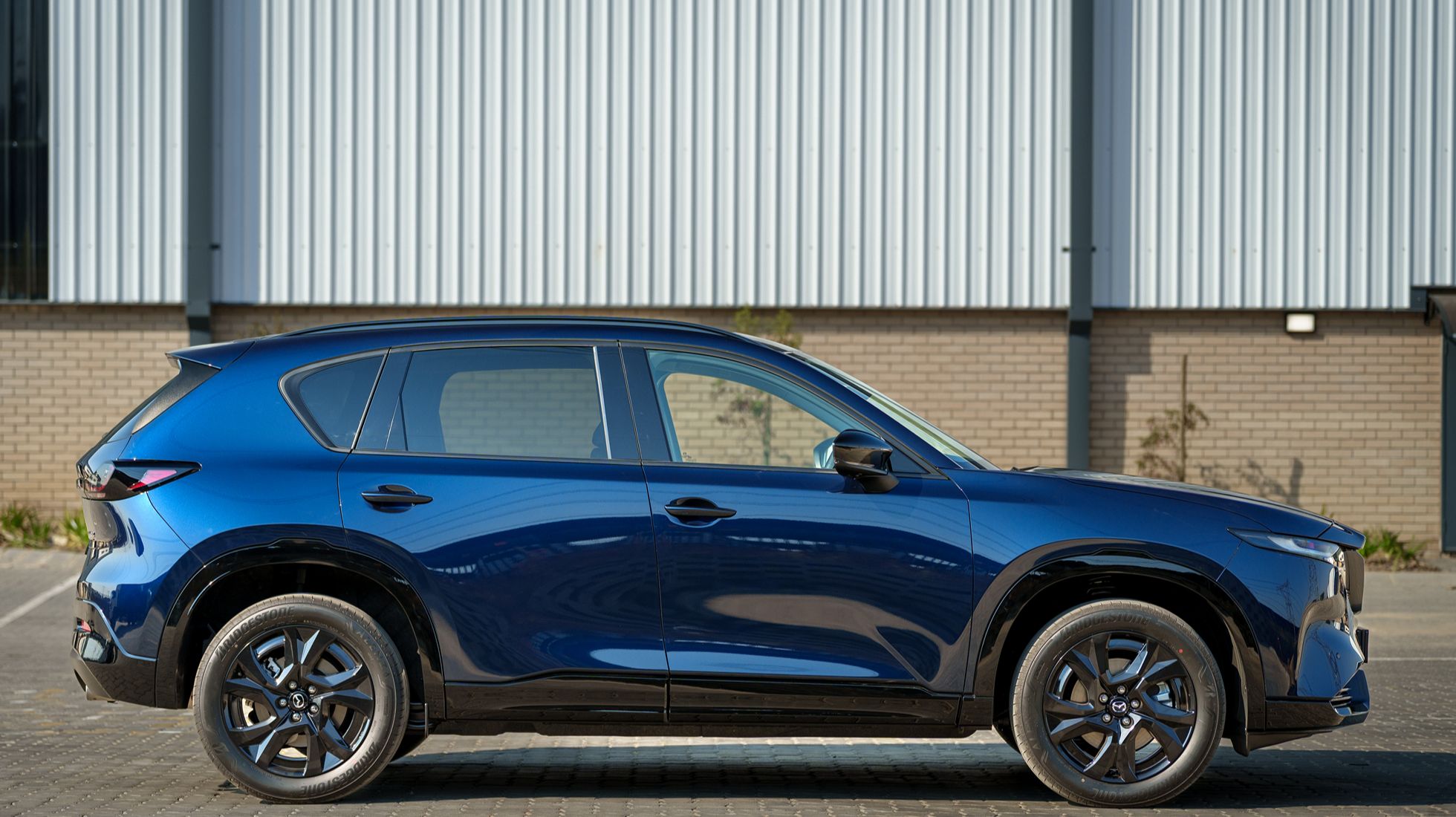
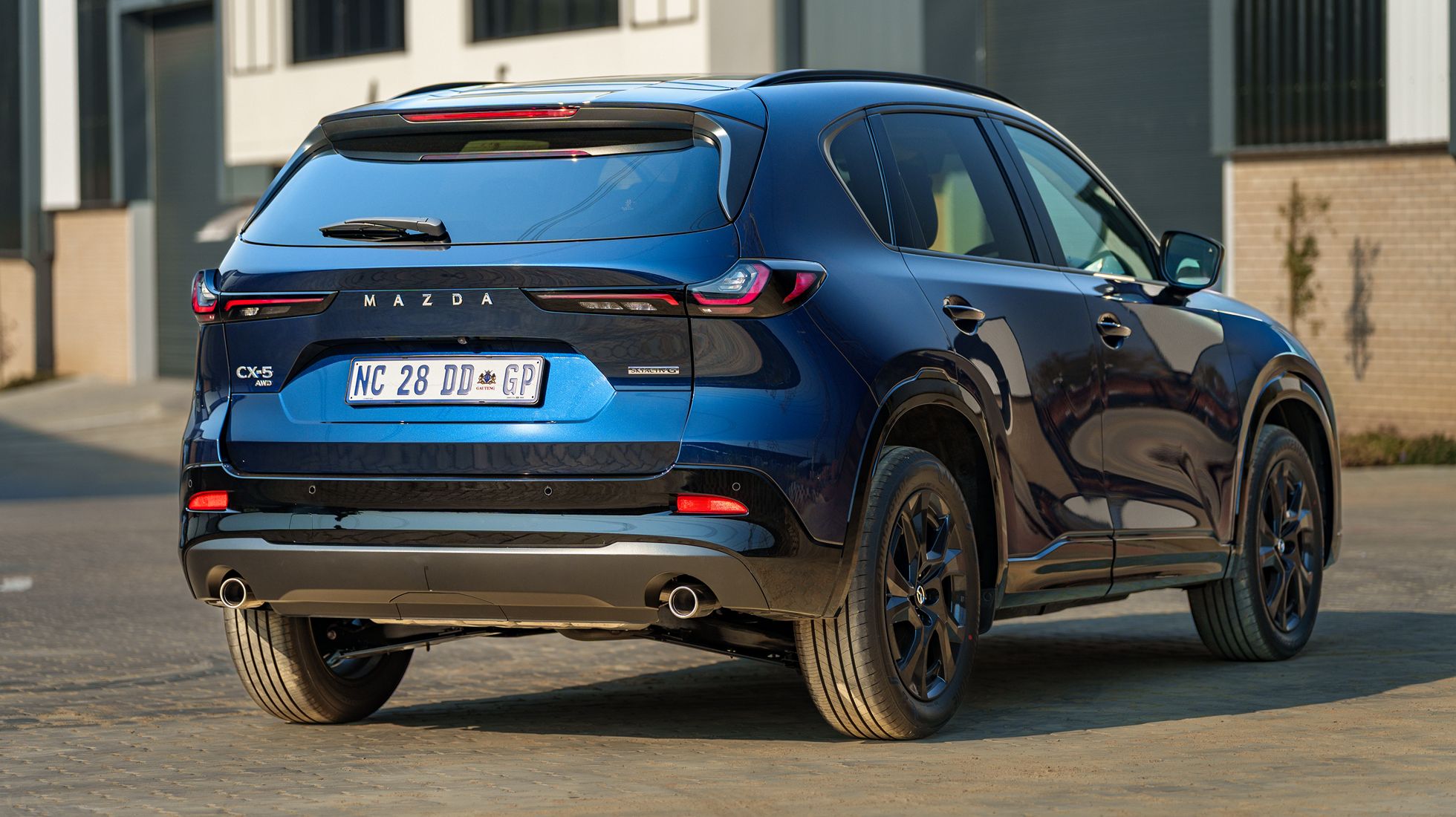
The styling looks… familiar?
It looks more like a major facelift than an outright new car, and that’s deliberate. The new CX-5 retains the more evolved, restrained interpretation of its KODO design language that made it stand out in the first place. Underneath, though, it’s a different story. It sits on a new KM platform that has allowed Mazda’s engineers to stretch the length and wheelbase by 115mm each, the width by 15mm, and the height by 5mm.
As a result, it looks substantially bigger than before, and that’ll appeal to existing owners eyeing an upgrade without wanting to abandon what made them buy one in the first place. Still, I expected more. This is a segment where rivals such as the VW Tiguan, Toyota RAV4, Haval H6, and MG HS, to name a few, have taken real design swings. And Mazda playing it safe here feels like a missed opportunity to push the CX-5’s styling forward rather than just scale it up.
How is the CX-5’s interior?
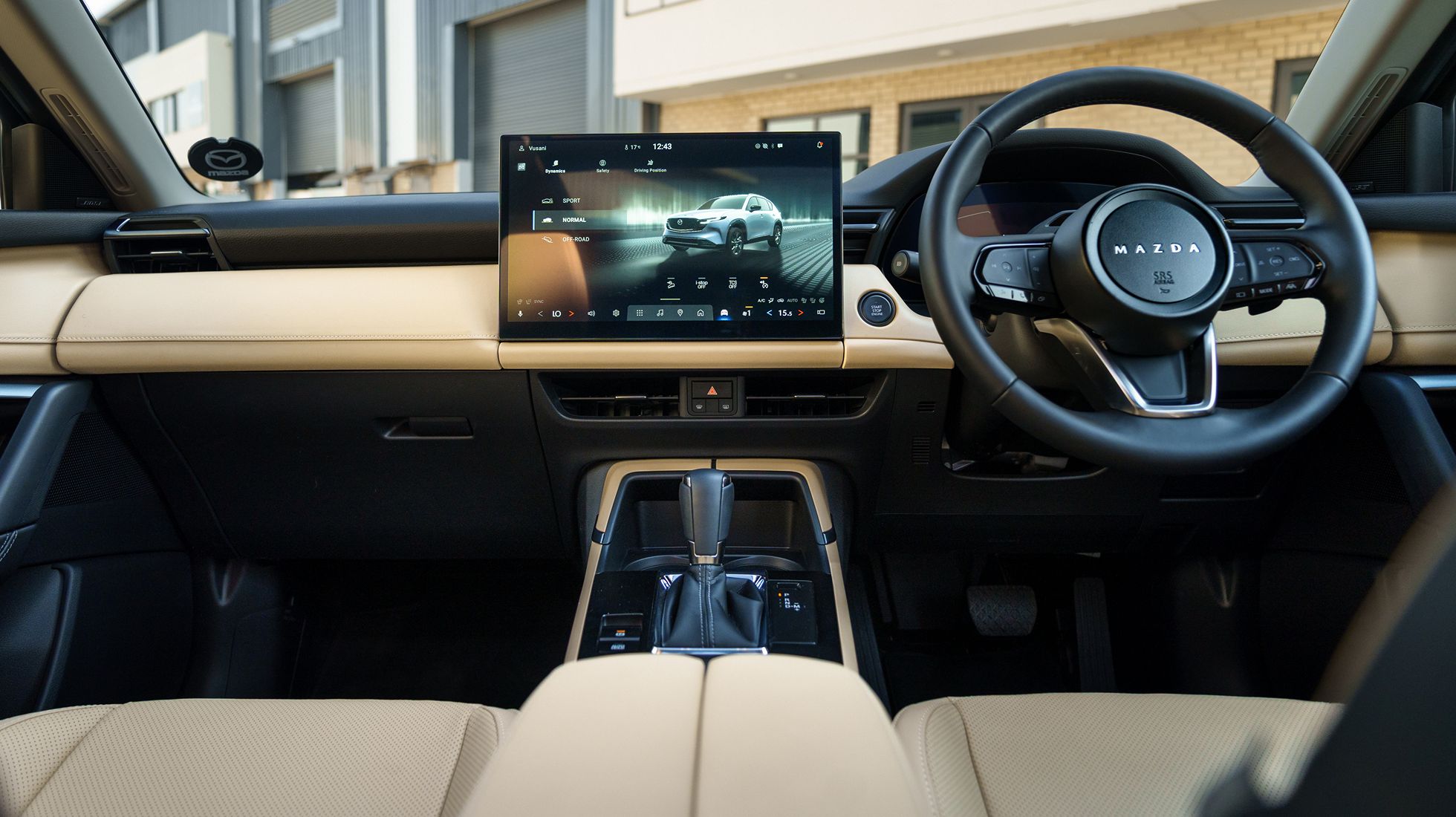
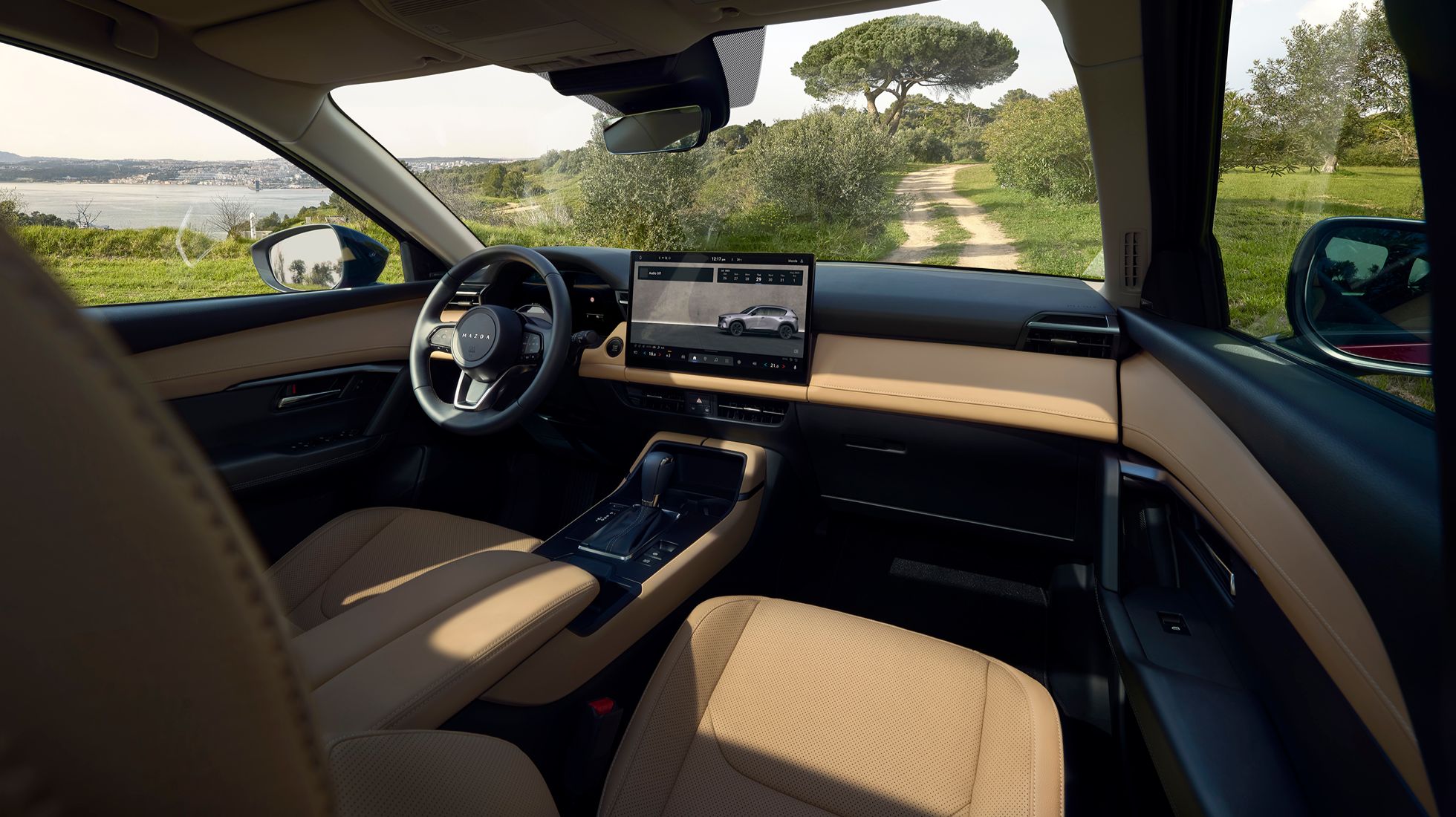
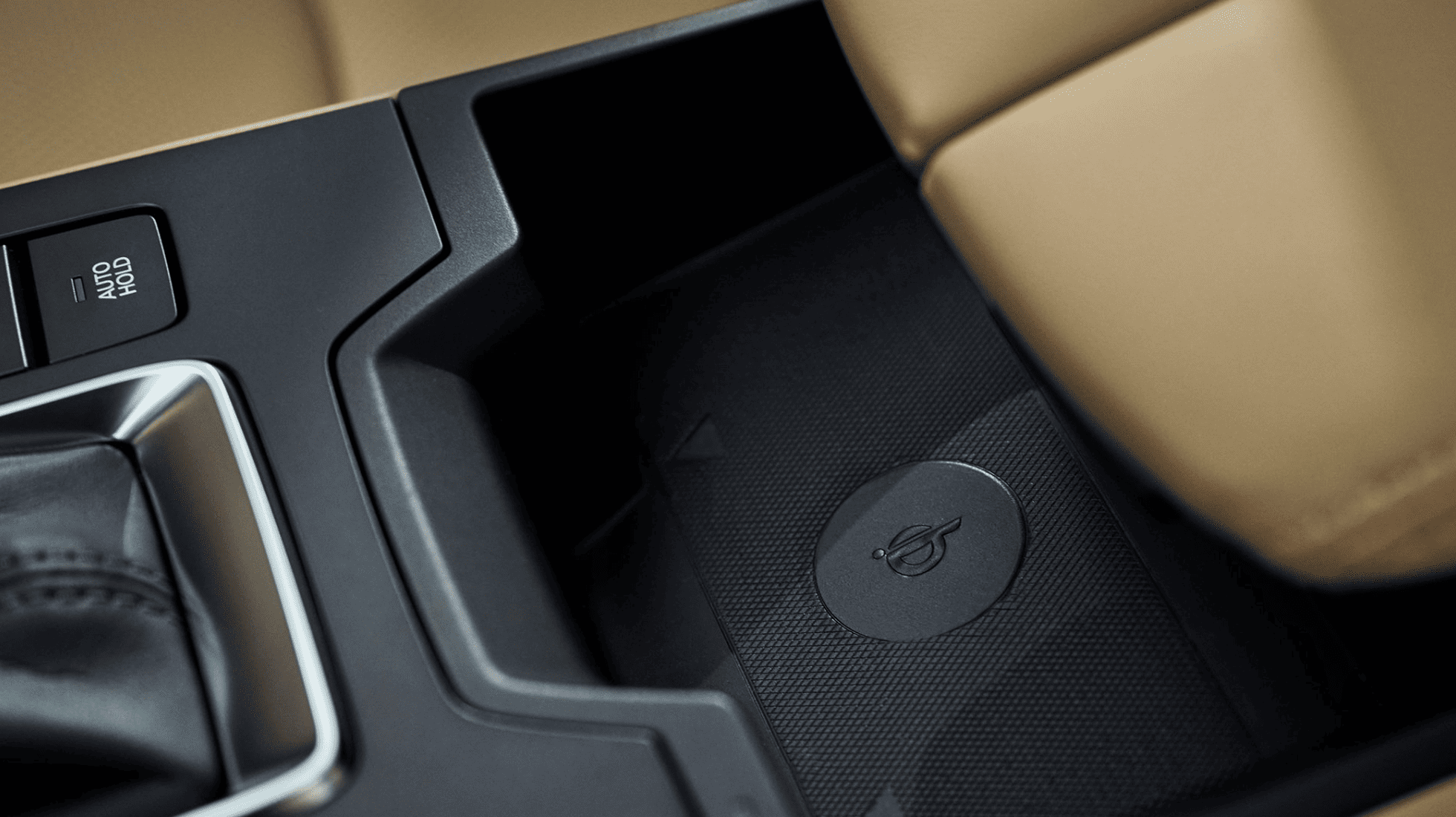
A bit of a mixed bag. On the one hand, Mazda has done a good job of making the cabin feel more upmarket, with nicer materials and a cleaner overall design. On the other, the CX-5 has followed the industry’s obsession with minimalism. Gone are the physical buttons and toggles (including the rotary dial) that helped make the CX-5 so easy to use. In their place is a large 15.5-inch infotainment screen that now acts as a control hub for almost everything.
We’ve seen enough cars by now to know that touchscreen everything isn’t always the cleverer solution, particularly when safety is concerned. When you’re carrying the family, the last thing you want is to take your eyes off the road to dig through a screen for the air-con controls. Give me a few proper buttons for the basics any day. Having said that, there is a more prominent digital presence thanks to a new digital instrument cluster which will be operable via a new multifunction steering wheel.
As for space, there’s enough for everyday and weekend use. The boot space now measures a generous 466 litres (up from 438 litres) with the rear seats up and 1,215 litres with them folded flat. Apparently, the car’s extra length has been properly utilised.
Has Mazda fixed the CX-5’s weak spots?
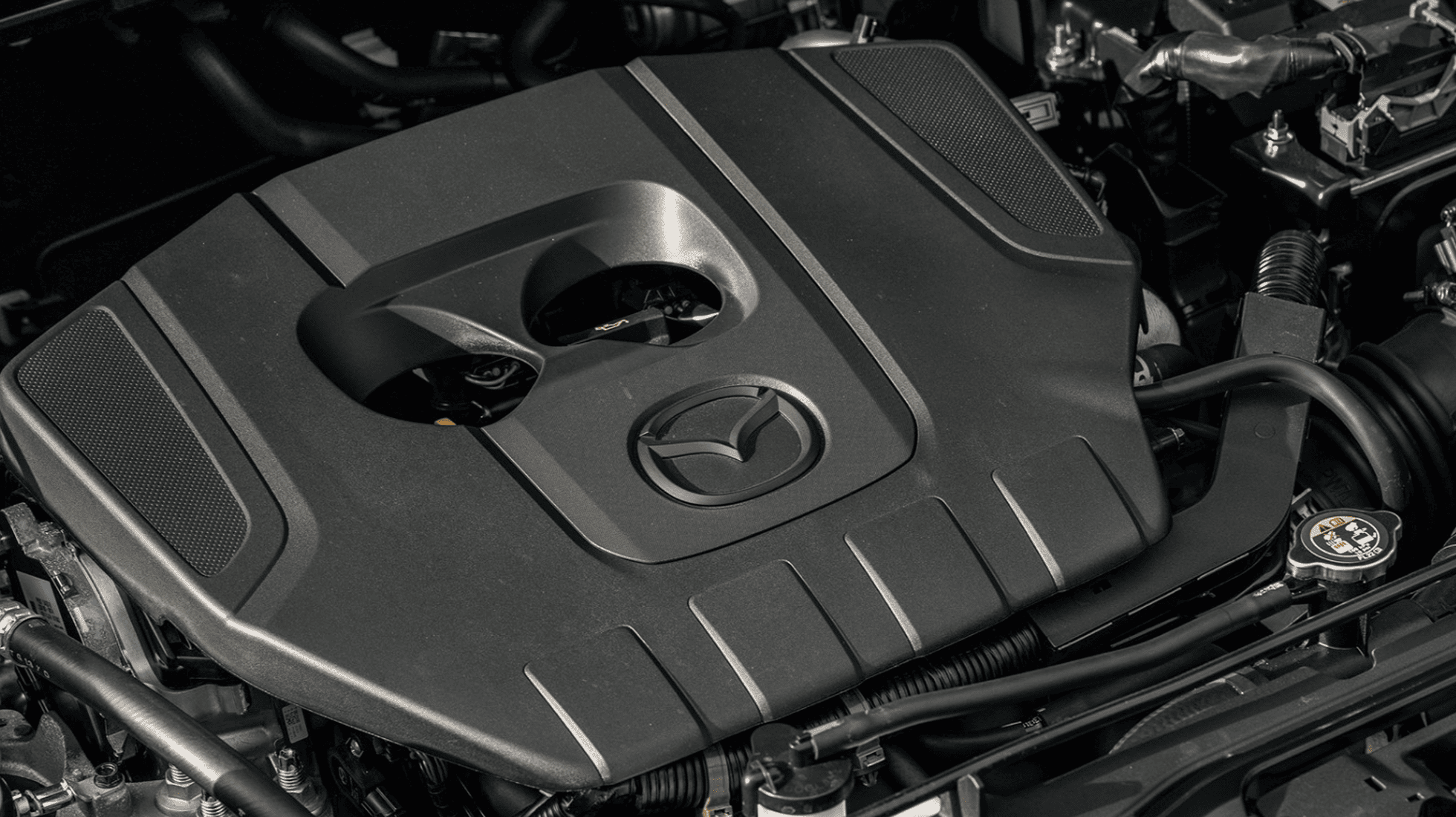
Tough question to answer, for now, because this was only a reveal. Driving impressions will follow when we get the car on test, but the biggest change happened under the bonnet. The new CX-5 ditches the 2.0-litre 4-cylinder engine for a 2.5-litre 4-cylinder petrol unit with 132kW and 240Nm. Bigger and slightly more powerful, yes, but there is one obvious disappointment, and that is, it’s still not turbocharged.
That was one of our biggest gripes with the outgoing CX-5, and Mazda has chosen not to address it here. It’s the same basic engine found in the CX-60, where it left us wanting more, particularly when it came to outright performance. The CX-5 is lighter, though, so perhaps this engine will feel more at home here. We’ll reserve judgement until we’ve driven it properly. For now, all we know is that the 2.5-litre is paired with a 6-speed automatic transmission, either driving the front or all four wheels, depending on the variant.
What does the range look like?
It’s a straightforward range, actually. Mazda South Africa will offer the new CX-5 in four flavours: Active, Dynamic, Individual and, Homura, with the range starting with FWD before stepping up to AWD on the two more expensive derivatives.
The Active is the entry point, but it doesn’t necessarily appear stripped out, thanks to 17-inch alloy wheels, cloth upholstery, an 8-speaker sound system and a 12.9-inch infotainment display, and manual front-seat adjustment. Step up to the Dynamic and things get a little more interesting. It comes with 19-inch alloys, leatherette upholstery, an 8-way electrically adjustable driver’s seat with memory and lumbar support, a power tailgate, and a windscreen de-icer.
The Individual adds AWD, black leather upholstery, a 12-speaker Bose sound system and additional off-road drive functionality. It also gets a power tailgate, a piano black treatment outside instead of plain black, and a large panoramic sunroof. At the top of the range is the Homura, and this is probably the one that will attract most people’s attention. It gets the sportier tan leather interior, 19-inch alloys, Bose audio, a hands-free tailgate and, importantly, the larger 15.5-inch infotainment display. It also retains the Sport and Off-Road drive modes.
Is the CX-5 safe?
Well, it has a 5-star Euro NCAP safety rating to begin with. It also comes equipped with passive and active safety features, including seven airbags, a 360-degree view camera, blind spot monitoring, lane change assist, adaptive cruise control, and i-Activsense safety technologies.
How much does the new CX-5 cost?
The pricing is fairly straightforward, too. The range kicks off with the Active at R578,250, followed by the Dynamic at R636,000. The AWD-equipped Individual costs R717,000, while the range-topping Homura comes in at R749,100. If our maths serves us right, that puts a gap of roughly R170,000 between the two extreme ends of the range. Not a huge gap, especially considering what you get and the AWD system as you move up the range.
The verdict, for now
There’s a lot to like about the new CX-5. Mazda hasn’t tampered with the formula that made the CX-5 work in the first place. The new one is bigger, better equipped, safer, and more upmarket, while still looking unmistakably like a CX-5.
However, it leaves a couple of question marks. The styling feels a little too conservative for an entirely new car, the move to minimalism and reliance on the infotainment isn’t necessarily an improvement, and I am still convinced that a non-turbo 2.5-litre engine isn’t what this segment needs in 2026. As for the driving impressions, that’s something we will have to answer later. For now, though, Mazda seems to have improved plenty of the areas that needed improvement, but the engine bay looks to be the one area it left largely untouched.