There’s a moment that happens on long journeys, usually before fatigue but after boredom, where you realise what it is that you appreciate. It happens when novelty is starting to wear paper-thin, and a once-seemingly adequate YouTube Music playlist starts to repeat. What do I appreciate? First, economy. Luxury is a firm second.
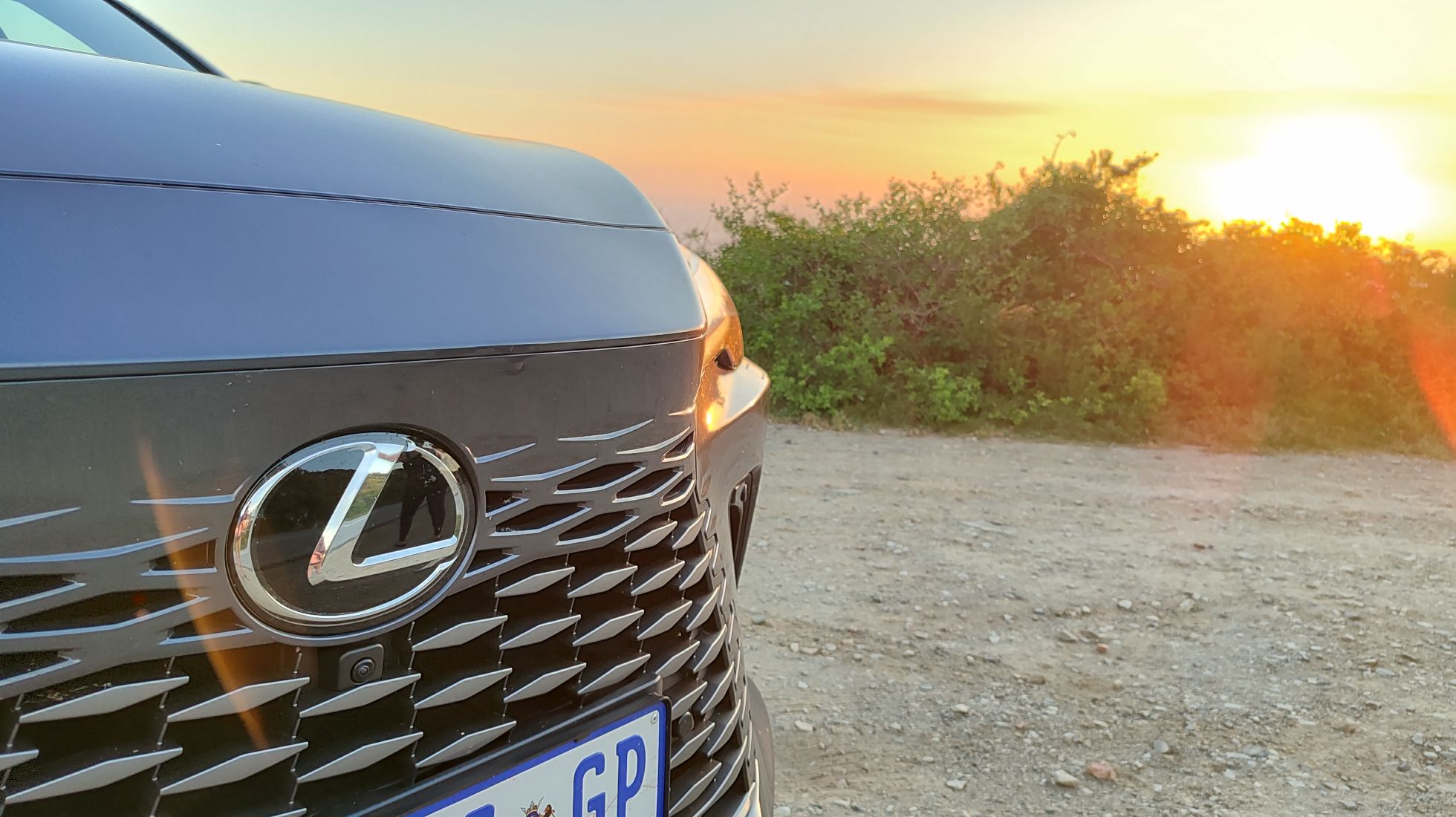
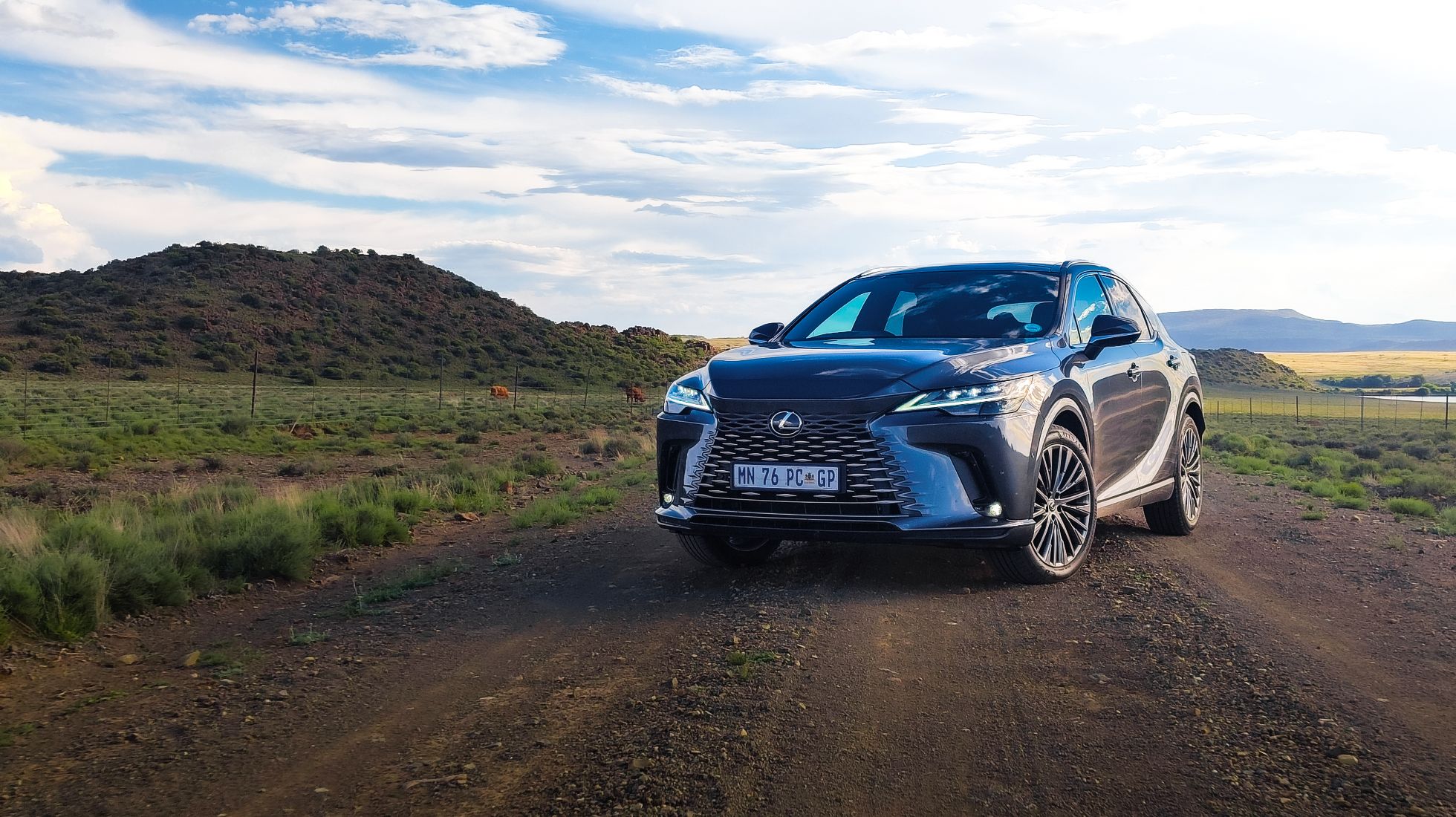
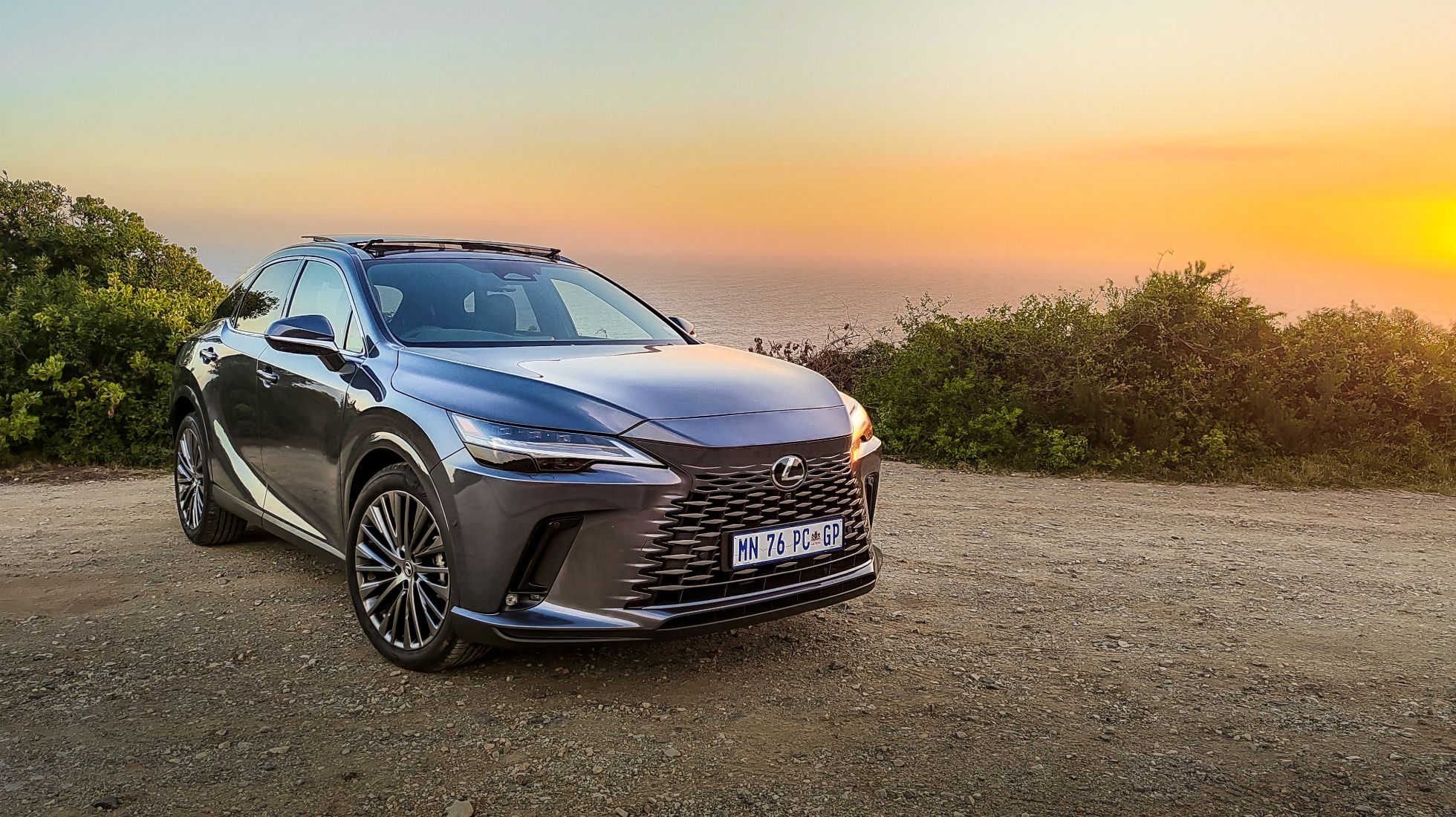
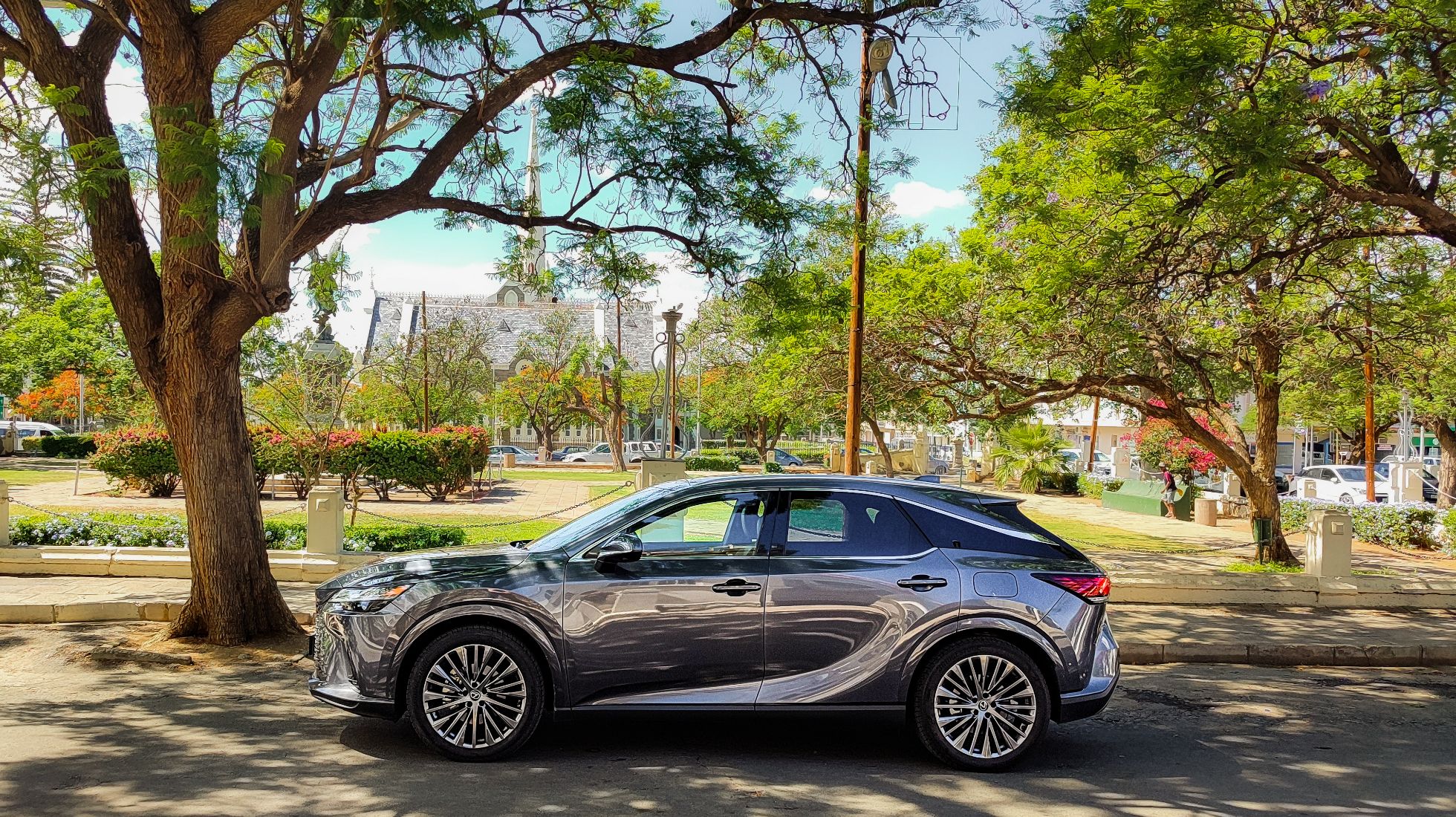
The Lexus RX450h+ arrived before the holidays, promising said efficiency and a sense of calm in a season that’s typically anything but. It took some convincing since I wasn’t initially sold on the economy promise. Yes, plug-in hybrids are a pragmatic compromise for toe-dipping into electrification, but on a 1,000km+ highway slog I didn’t see much upside. Across the soul-crushing monotony of the N1 slicing through the Free State, there’s precious little regen to be had. Further enroute to the city formerly known as Port Elizabeth, expect long uphills and sharp descents. Again, not a battery’s happy place. At least the RX450h+ is luxurious then.
 I plotted a route along the N1, trusting the GridCars ChargePocket app’s promise of available charges along the route at Kroonstad (non-operational, as it turned out) and Bloemfontein, before taking the scenic route via Gariep. First, a top-up at my nearest AC charger, where the reality of SA’s charging readiness became frustratingly apparent. With no RFID charging card, I relied on the app, which couldn’t establish a phone-to-satellite-to-charger connection. Cue a few choice words. It didn’t help. Home charging then? No access to an available plug, and from experience I know that vehicle charging and extension cords don’t mix well.
And so the holiday commenced without the promised 66-kilometre electric-only range. In Bloem, and by some miracle of digital persuasion (coercing the app interface for 15 mins), I managed to inject a grand 1.47kWh into the battery before the charger abruptly downed its tools. So far, things weren’t going according to plan.
Charging gremlins aside, it doesn’t take long to come to the conclusion that the RX is a bloody competent cruiser. Charge anxiety soon dissipated. As it turns out, the battery hardly ever dips below 25% thanks to self-regulation. Keep it dialled into the hybrid function (HV), and it automatically decides to call on the electric motor to assist the 2.5-litre, 4-cylinder engine during slow-speed situations. If charge allows following some regen in this setting, it will drive in full-EV mode until the self-regulating electronic brain determines that the petrol engine is needed. During highway cruising, even when there is ample available charge, the electric motor slips into the background until it’s called upon to deliver the full 227kW and 497Nm of total system torque. This is also the only scenario where the CVT gearbox really gets chatty.
The chassis is well sorted, with the 2.2-tonne weight only felt through fast sweeps. The other 95% of the time, the RX hides its bulk well, in large part thanks to a steering feel that strikes an incredible balance between lightness and feel, making inner-city drives and beach runs absurdly easy to negotiate in what is still a 4.9-metre SUV. Parking too is painless thanks to the high-resolution surround-view camera and sensors that call for anchors when it detects unseen obstacles or pedestrians paying no heed to reversing vehicles.
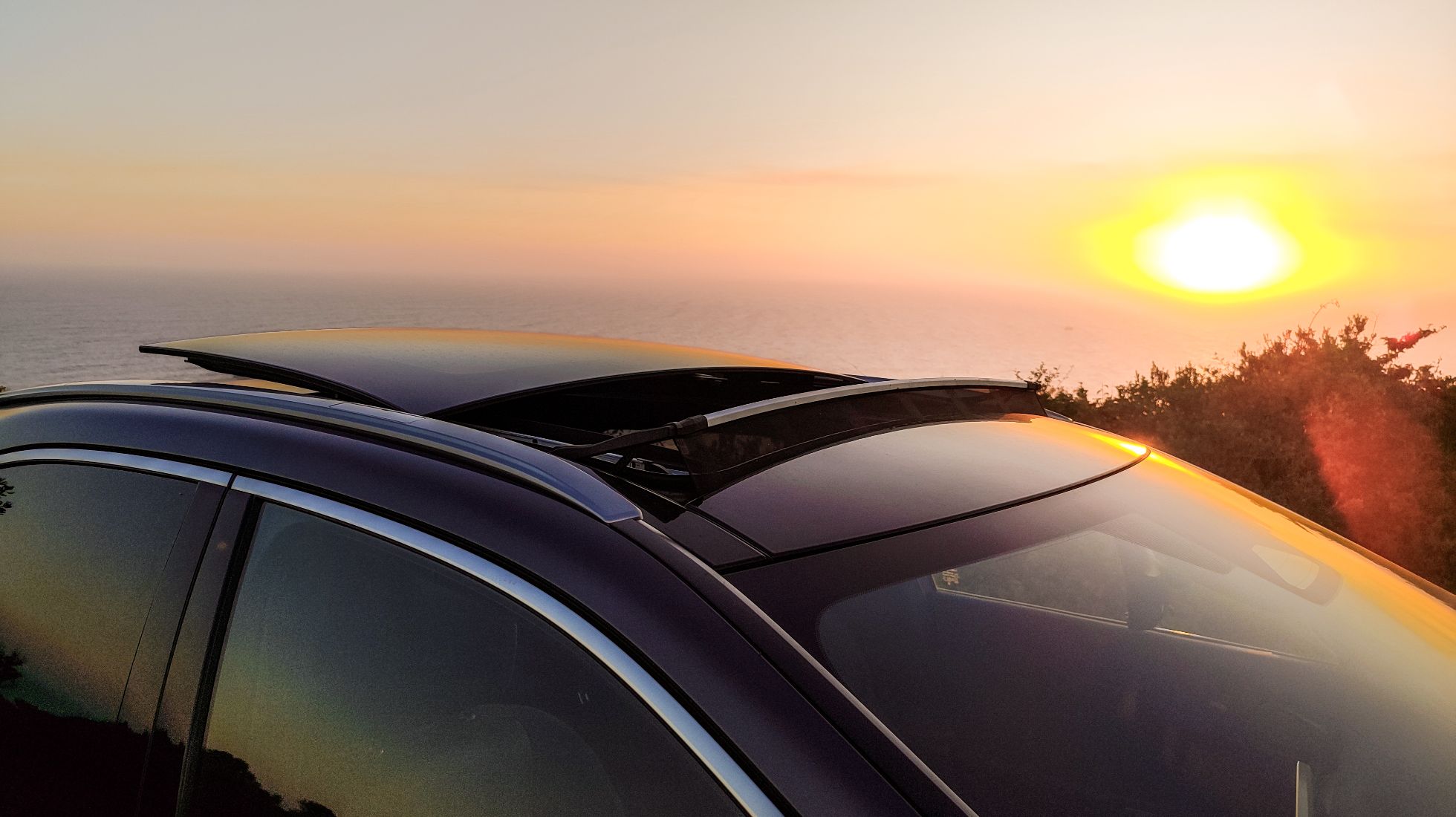
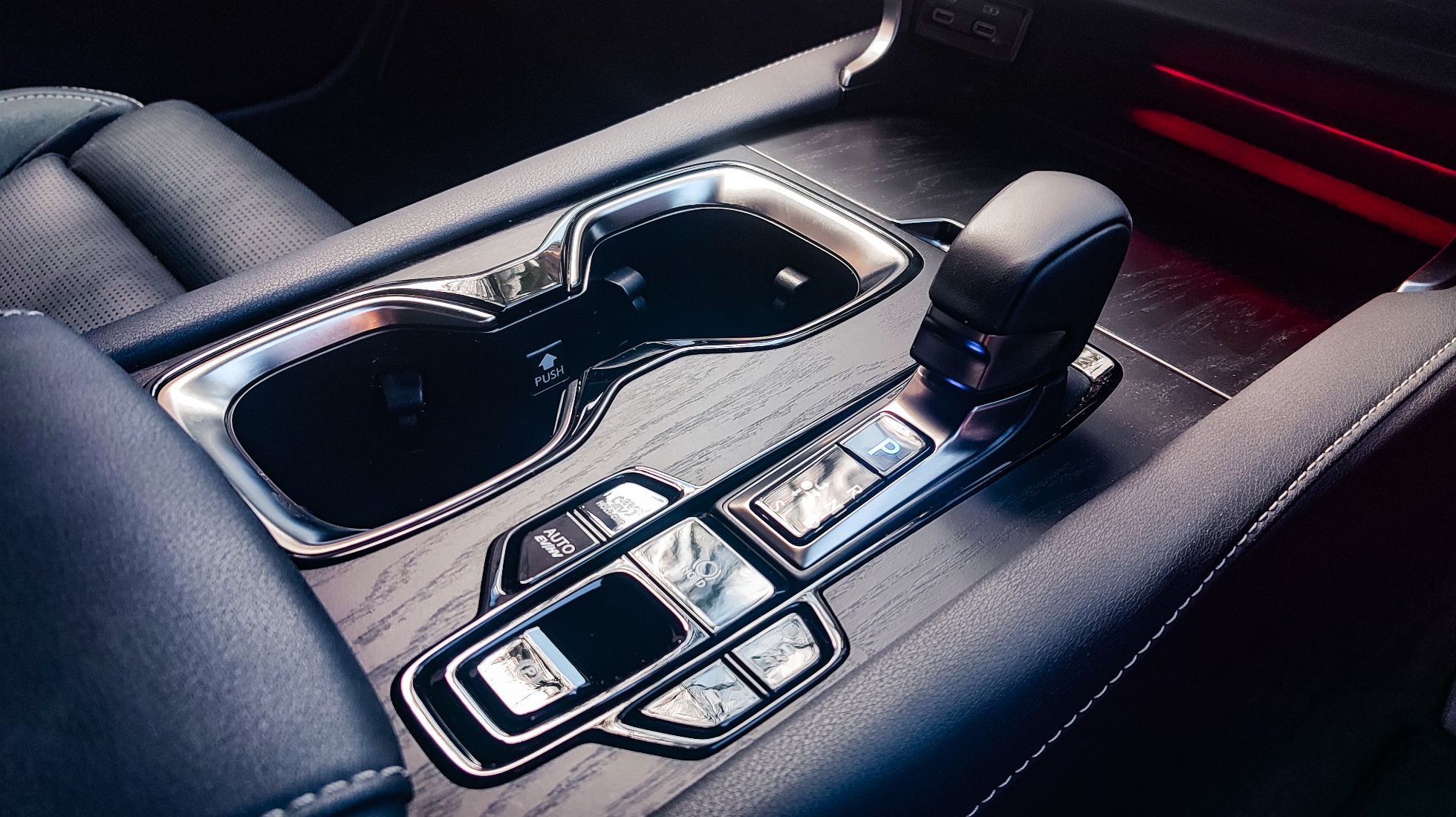
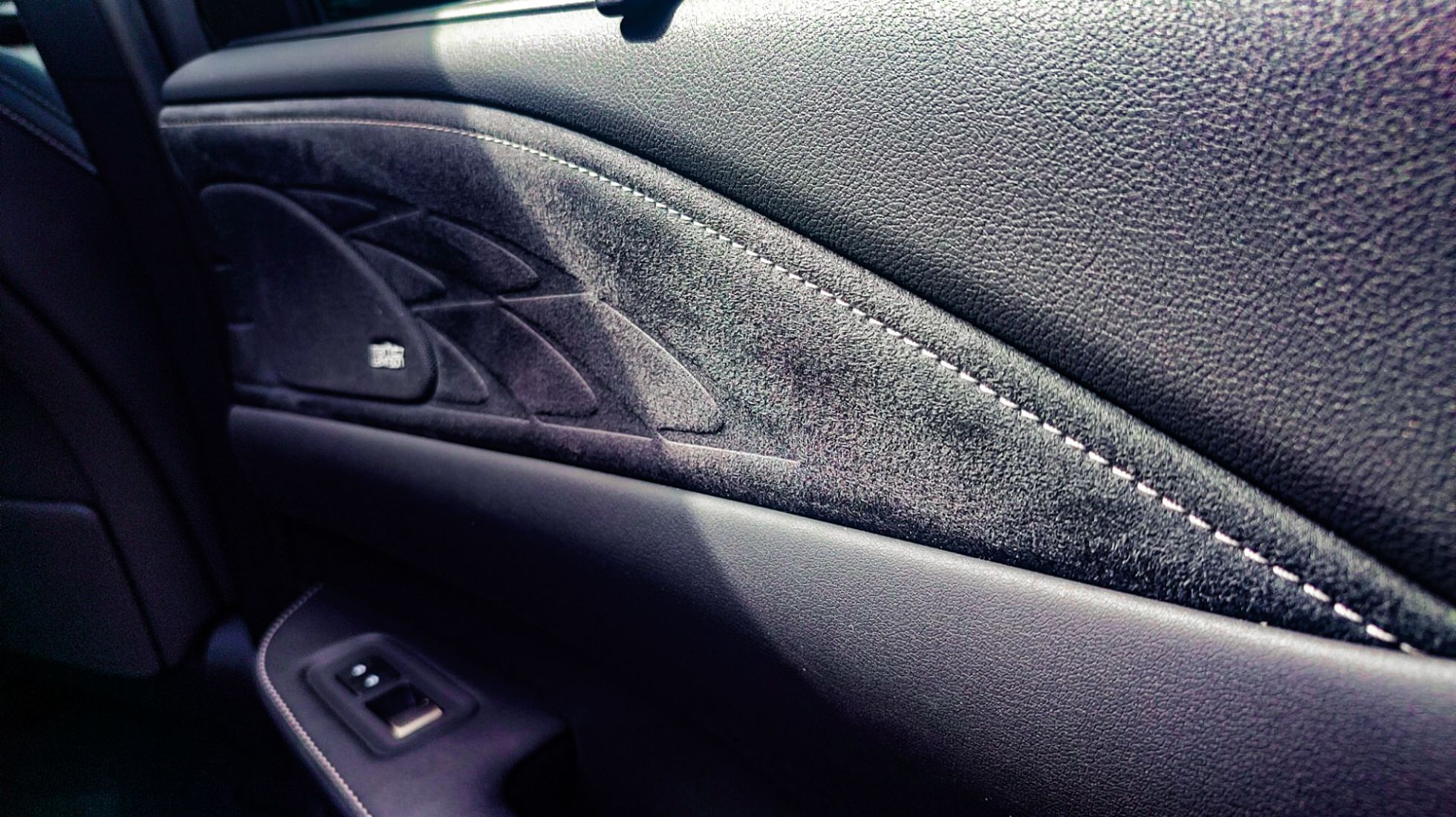
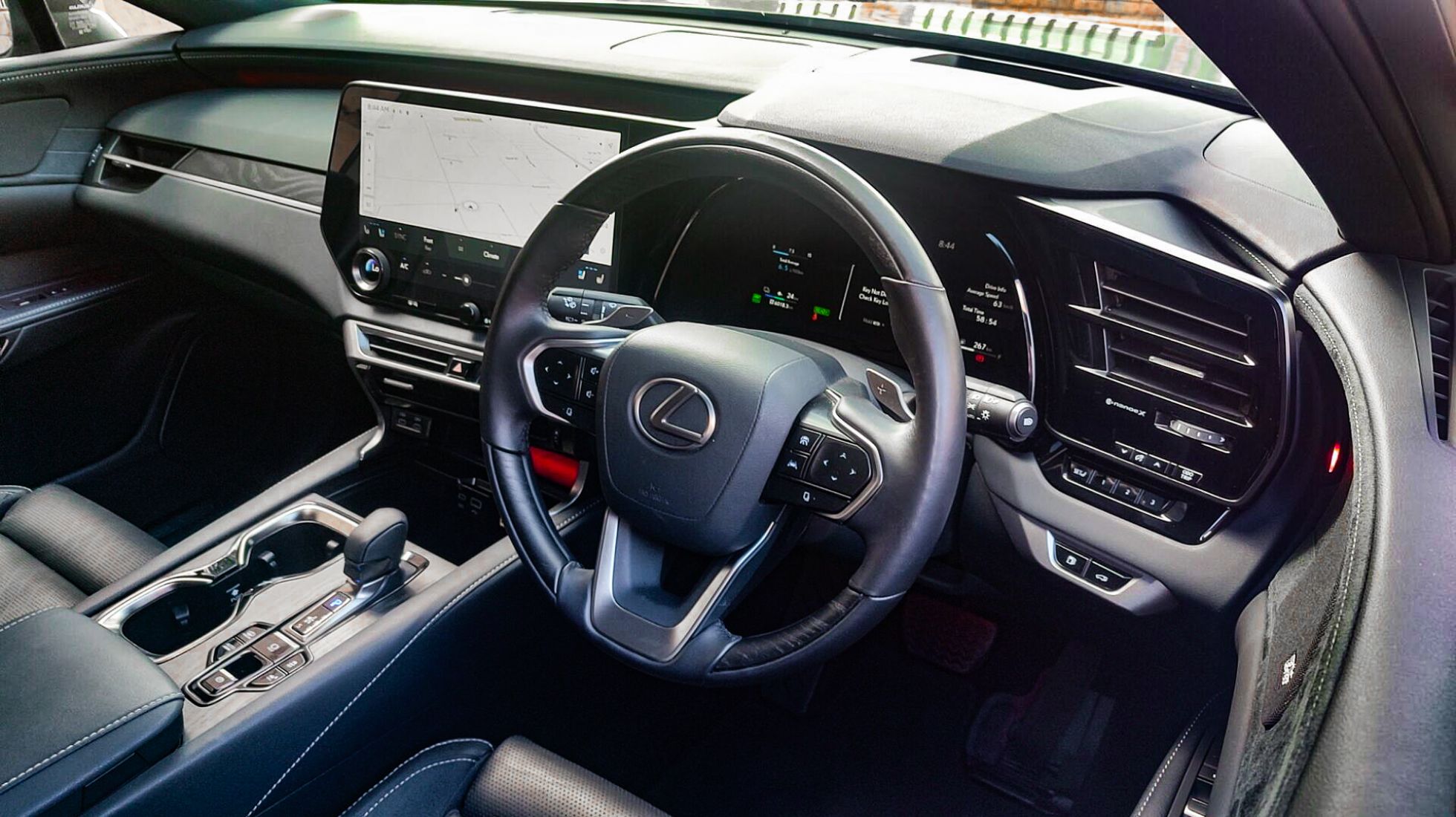 But the primary calling card of the RX is comfort, and here it delivers. At the legal limit, road noise is negligible thanks to the acoustic glass. The seats allow kilometres to pass without the typical seat-bound aches that result from poor ergonomics. Material choices are deliberate, if a bit conservative, and – bless you, Lexus – there’s no clumsy prodding and poking at a central haptic trackpad. There’s still some jabbing at a screen when looking to dial in the finer climate settings, with only the temperature manifesting as crisply machined physical dials, but the process is largely seamless with no menus to navigate. Other manufacturers: note how progress and ease-of-use can, in fact, coexist.
Rear passenger legroom is considerable, so much so that the passenger seat can comfortably recline into the given space. The rear backrests can also fold forward with a button press to create extra luggage space, although usage is limited with the seats not folding entirely flat. On paper, the 612-litre boot is generous. But without a wheel well under the boot floor (blame batteries and charging components), the space taken is taken up by a strap-down spare that hogs a decent chunk of space otherwise reserved for holiday luggage. It’s easy enough to remove it for shorter journeys, but it’s non-negotiable for longer treks when, ironically, that space is considered a premium.
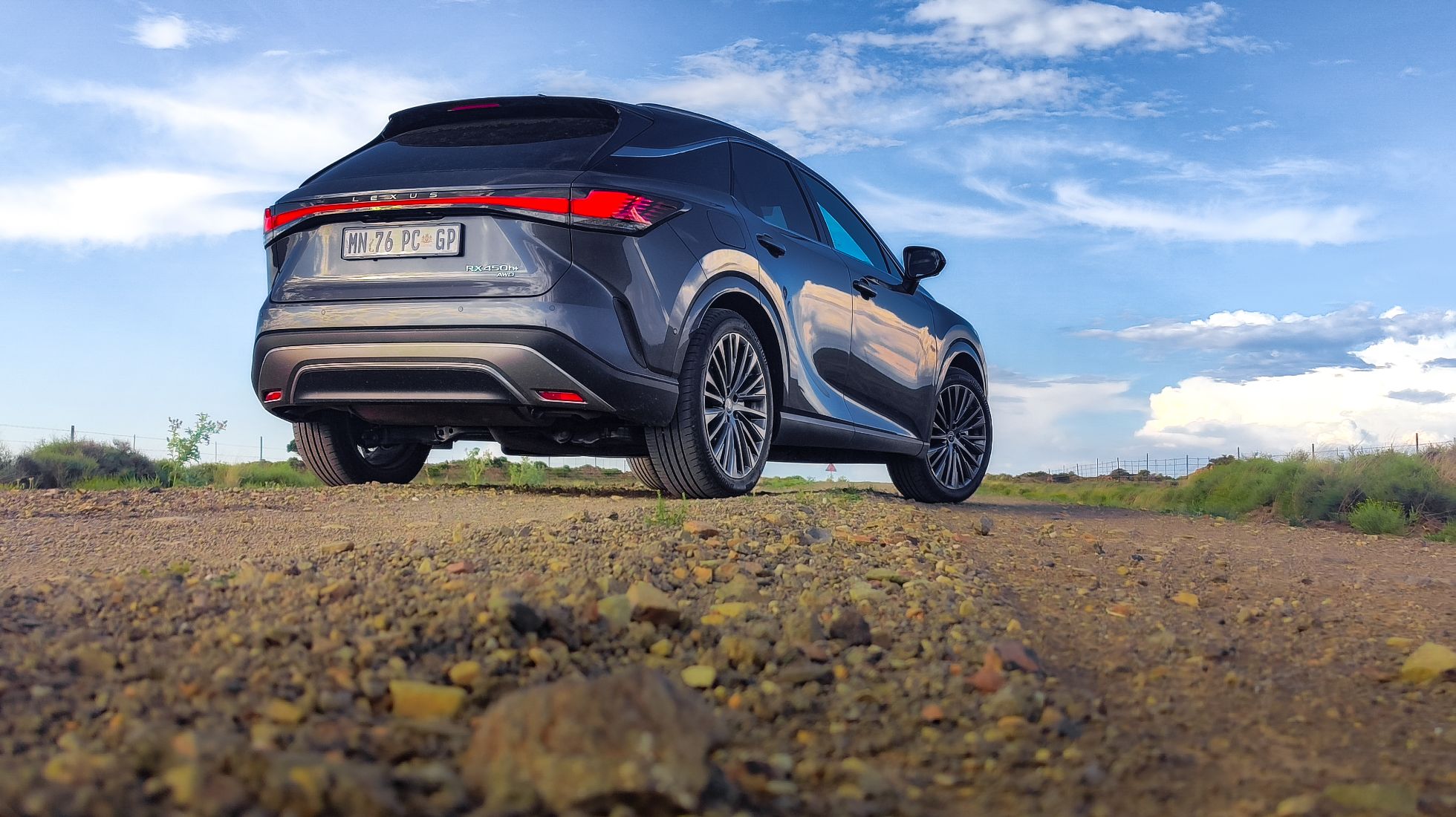 But the true selling point of the Lexus RX450h+, though, isn’t the economy figures or, I daresay, the in-built luxury. It’s how this car, with every crease, every line, and every material choice, feels considered towards the greater purpose of eliminating driving strain. And that in itself is considered a proper luxury if that is what you’re shopping for.