

Omoda turns to hybrid power to fix the C5’s economy problem
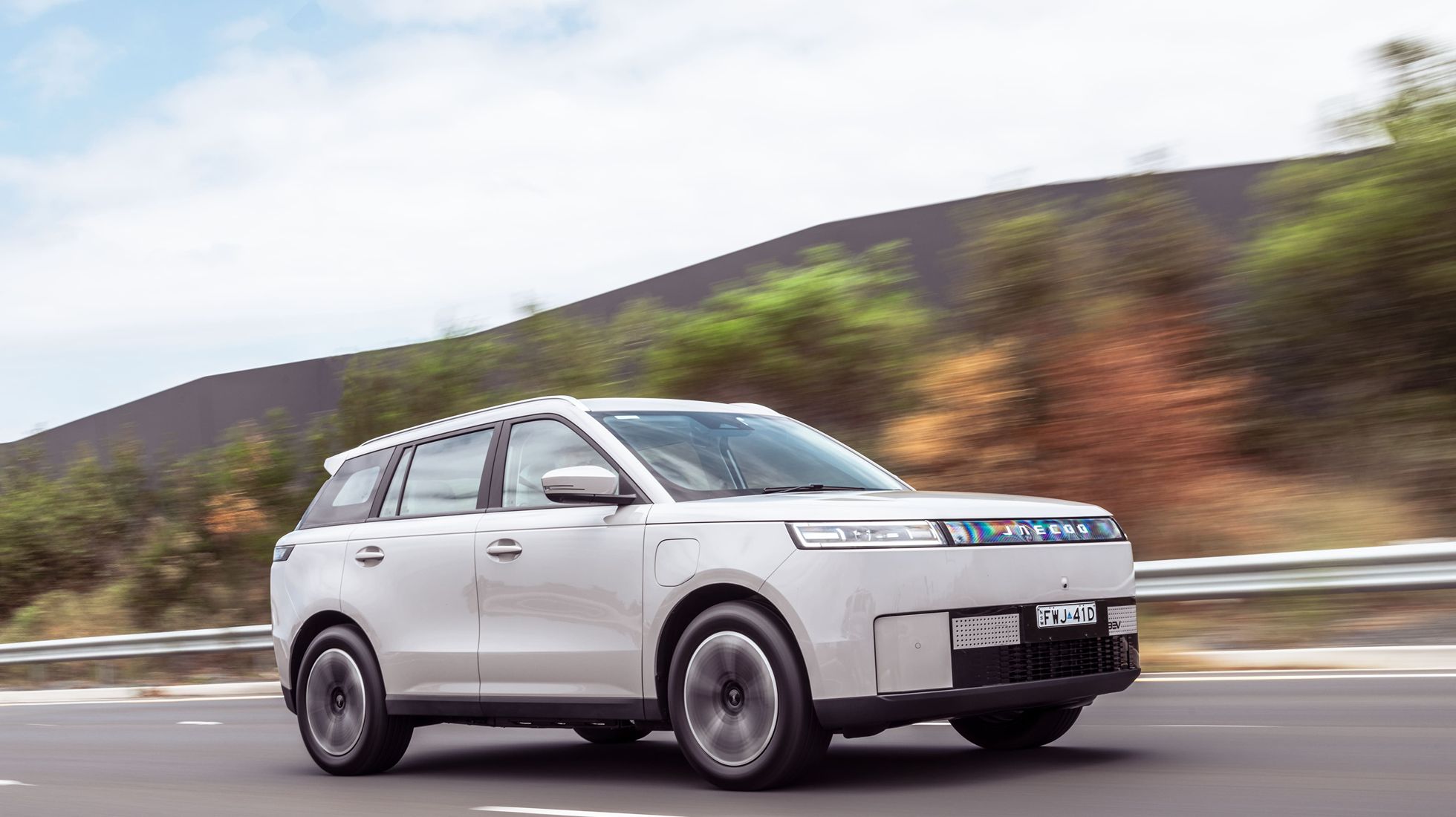
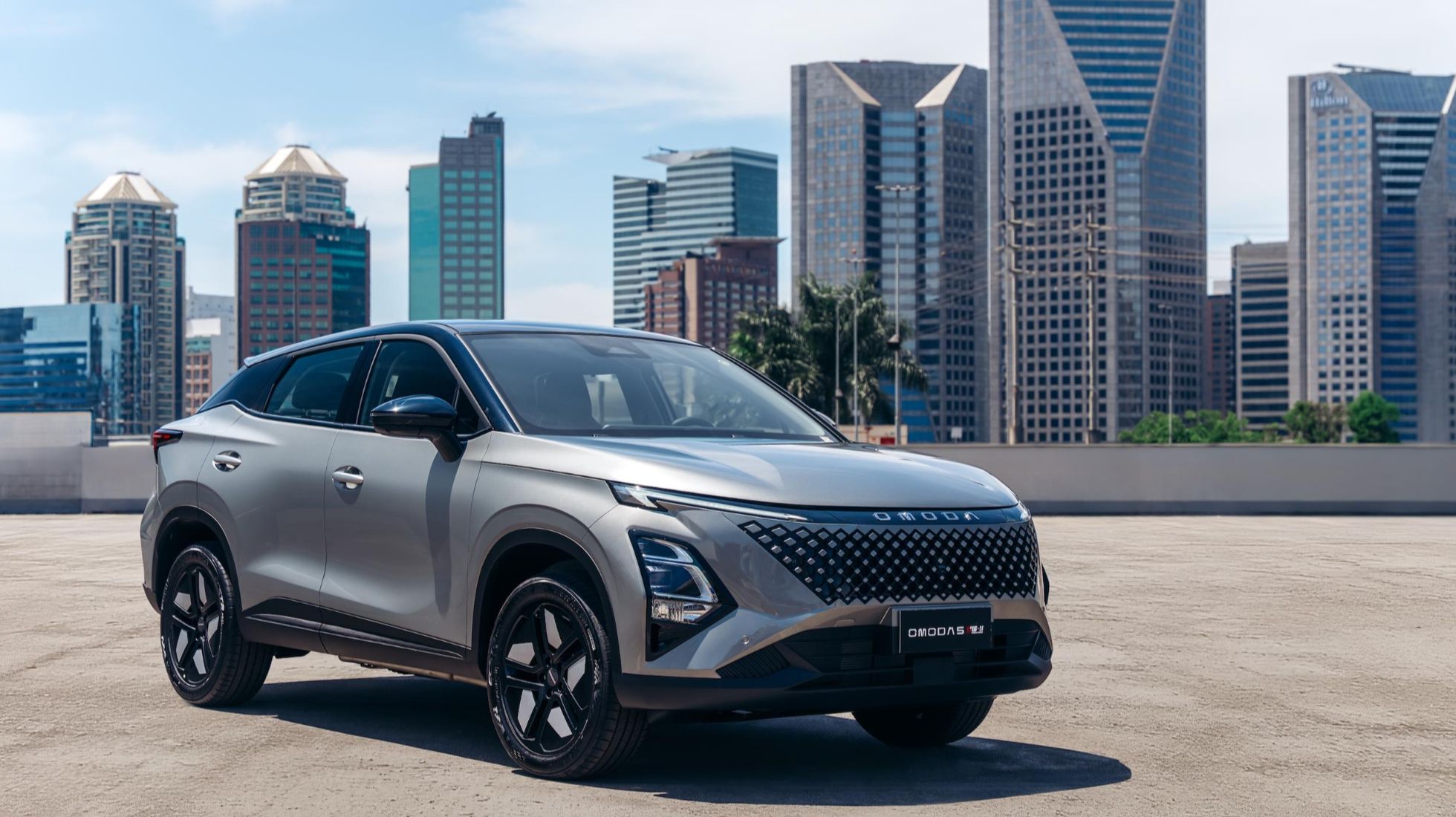
Chinese cars, particularly the 1.5-litre turbo variety, aren’t exactly known for using fuel sparingly. The Omoda C5 falls squarely into that category. I spent a few days living with it some time ago, and it left a lasting negative impression.
The overall experience felt a little half-baked, and worse still, it was noticeably thirstier than I’d hoped. On paper, it makes a strong case for itself: value-packed and priced just under R400k. But once you start factoring in the glitches I encountered in the Lux X variant, that value proposition begins to lose some of its shine.
Omoda is clearly aware of its heavy consumption figures. And to its credit, there’s a plan on the table that In the coming weeks, it will roll out the C5 SHS, which is essentially a hybrid version of the C5 aimed at fixing the efficiency shortfall. Whether it’s enough to rectify the C5’s thirsty nature remains to be seen, but it’s a necessary step in the right direction.
The hybrid doesn’t completely reinvent the formula. It still uses the same 1.5-litre turbocharged 4-cylinder engine, now paired with an electric motor and fed by a 1.83kWh battery pack. Combined, the system produces 165kW and 310Nm, which at least translates into a notable performance gain: the 0-100km/h sprint drops to 7.9 seconds, down from 9.0 seconds in the non-hybrid car.
Where it really matters, though, is efficiency. On paper, the improvements are significant. Omoda claims fuel consumption as low as 5.3l/100km and a claimed driving range of over 1,000km on a single tank. That’s a big promise. During my time with the non-hybrid version, I saw figures closer to 9l/100km, hardly confidence-inspiring for a compact crossover that’s meant to be cost-conscious. If the hybrid can come anywhere near those claimed numbers in real-world conditions, it could fundamentally change how the C5 is perceived. Beyond the hybrid system, the biggest mechanical change is the Dedicated Hybrid Transmission (DHT), which now drives the front wheels.
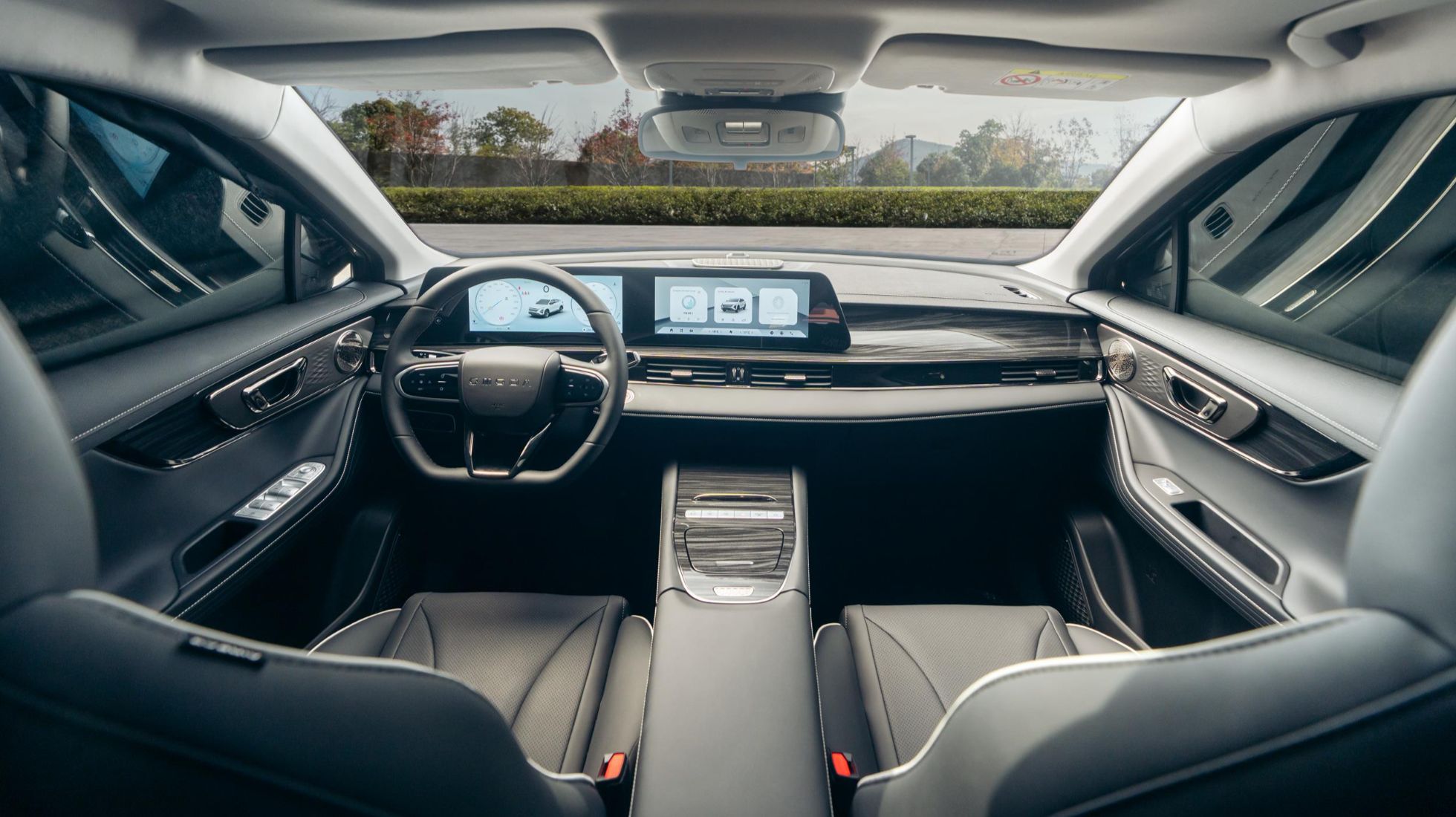
The wireless charging pad has also been relocated. In the standard car, it sat in direct sunlight, causing devices to heat up far too quickly. The rest of the cabin remains familiar, with dual 12.3-inch screens for Apple CarPlay and Android Auto, along with a comprehensive suite of 20 driver-assistance systems that keep the C5 competitive on paper.
Hybrid technology in other Chery models has already shown it can work wonders when it comes to fuel consumption, so there’s genuine reason for optimism here. But all things considered, the Omoda C5 SHS is a welcome addition to the range, and if it delivers on its fuel economy claims in the real world, it could finally make the C5 an easy recommendation. Pricing will be announced in due course, but improved efficiency alone may be enough to further boost sales.