
Ferrari’s most divisive car yet: meet the Luce
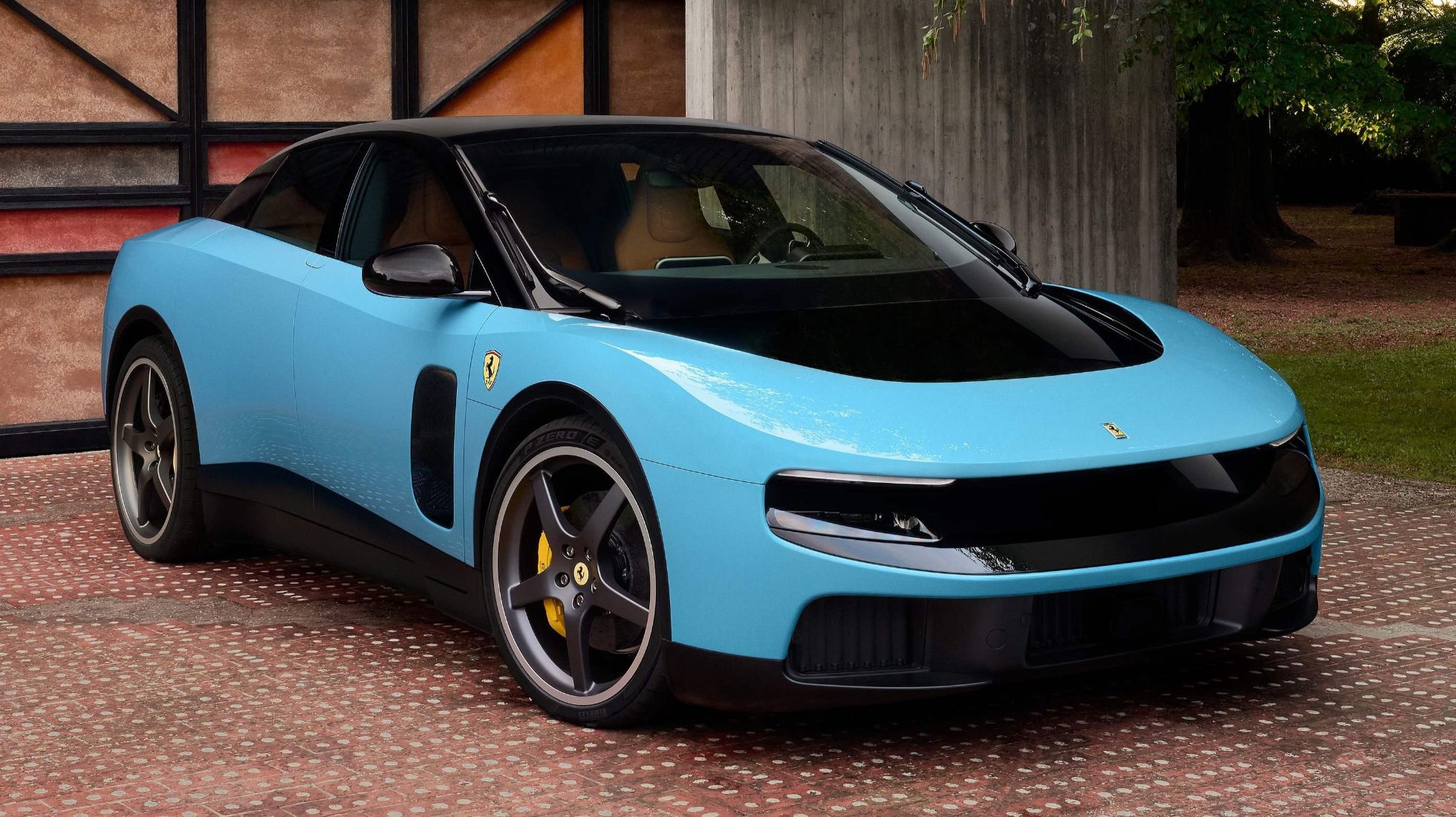
This is the Ferrari Luce (Italian for light), and yes, it’s fully electric. For a brand that built its identity on screaming V8s and V12s, that alone feels like a big shift, but the numbers are hard to ignore.
With four electric motors (one for each wheel) for an AWD setup, the Luce is a 772kW and 990Nm 5-seat, 4-door grand tourer capable of a 0-100km/h sprint in 2.5 seconds before hitting the limiter at 310km/h. It has a 122kWh battery pack that allows it to cruise silently for up to 530km on a single charge.
Sitting on a bespoke platform with its own dedicated chassis, the Luce weighs in at 2,260kg. That’s undeniably heavy for a sedan, but then again, EVs almost always carry that burden because of the massive battery packs underneath them.
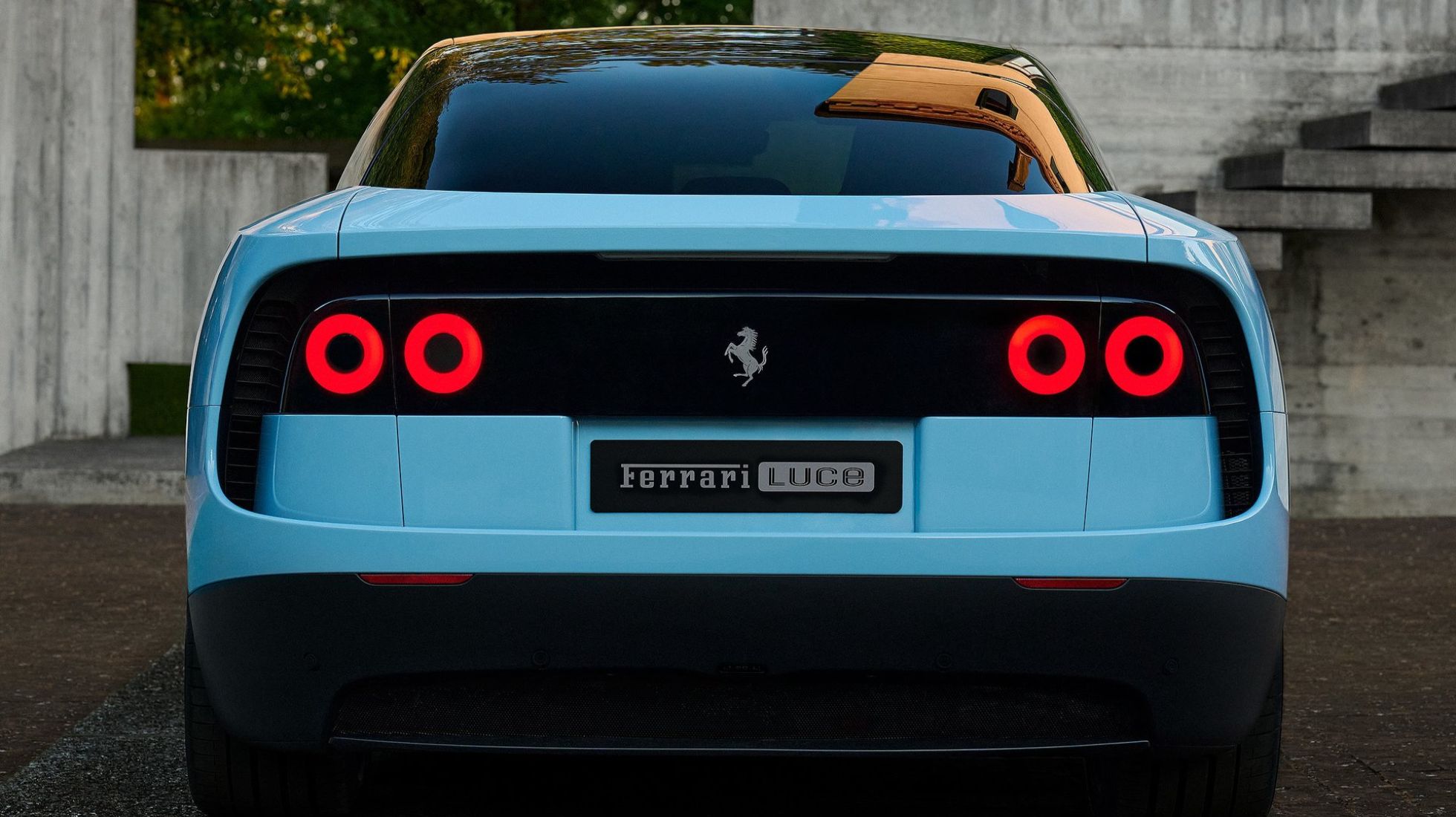
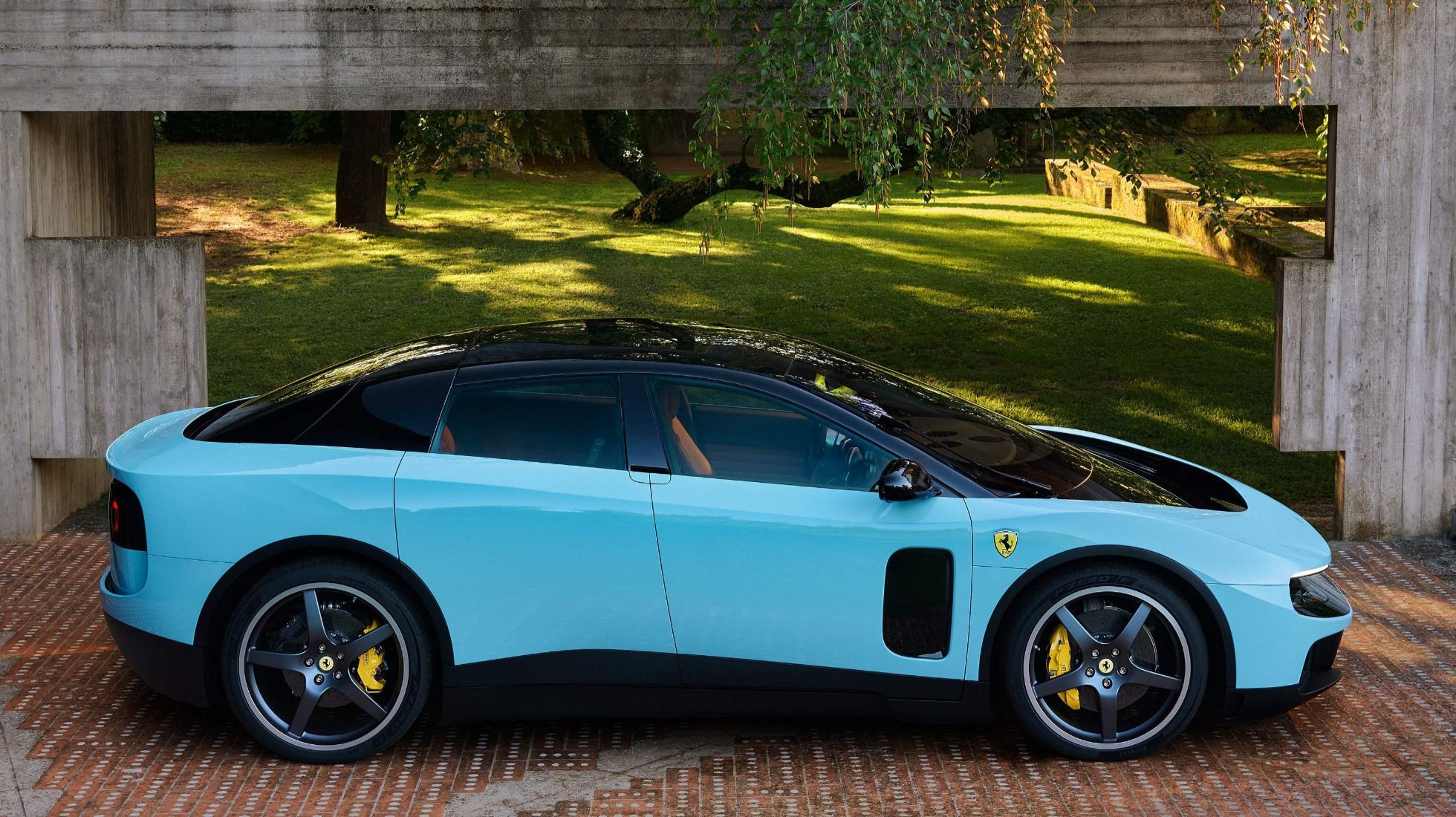
Visually, though, is where it will divide purists or otherwise. It looks like a mix of a station wagon, a crossover, and a luxury GT rather than following the conventions of a classic supercar. It’s a complete departure from what we’re used to, and perhaps this is the design Ferrari EVs are going with? Maybe time will tell. In case you are wondering, the design was developed with LoveFrom, the design company created by former Apple designer Jony Ive.
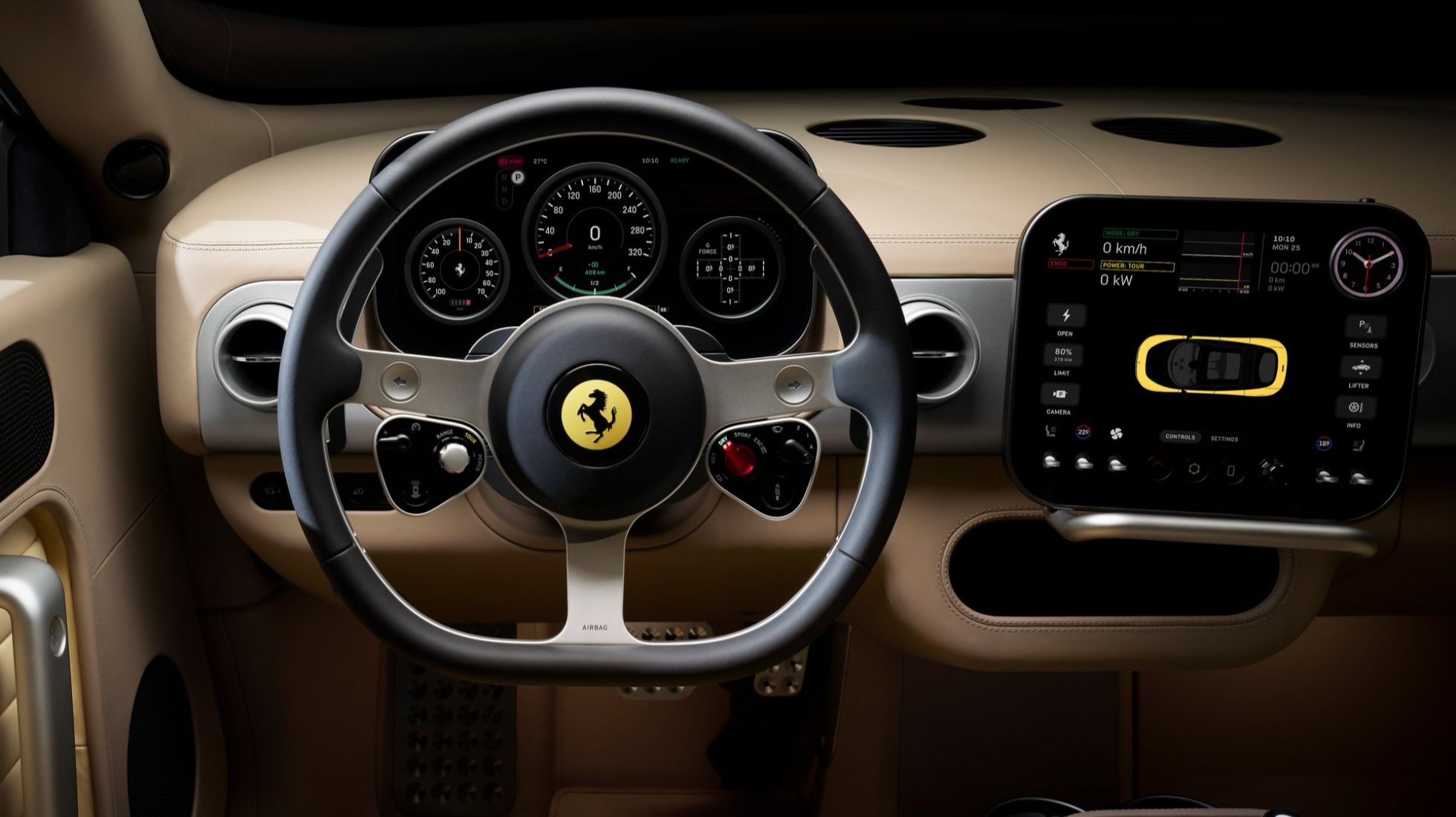
Because Ferrari still says driving should be mechanical and emotional, the Luce foregoes typical modern-car features, opting for physical buttons, switches, and tactile controls rather than relying heavily on touchscreens.
The cabin is driver-focused, with the steering wheel, digital instrument cluster, and torque-control paddle shifters integrated into a single unit. The instrument cluster also moves with the steering wheel to improve driver focus and performance.
Samsung Display developed the OLED screens exclusively for the Ferrari Luce, covering the binnacle, central and rear displays across four screens ranging from 6.3 to 12.9 inches. The binnacle uses a layered design that adds depth and gives the digital information a more analogue feel. Compared to LCDs, OLEDs are thinner, simpler, and integrate more cleanly into the cabin.
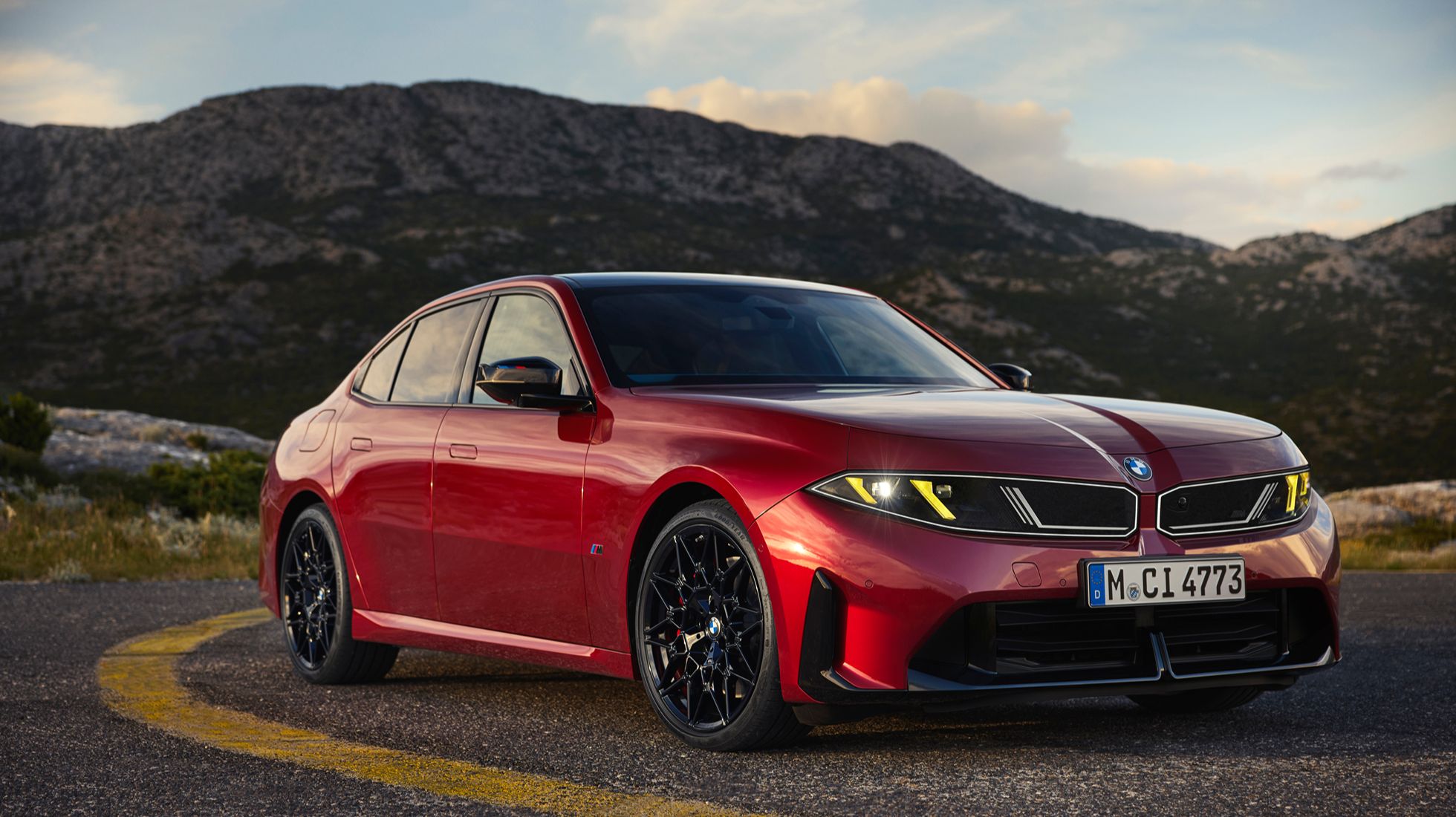
It’s one of those designs that won’t win everyone over immediately, and honestly, it doesn’t have to. Sure, the design is controversial and will probably take a while to grow on the brand’s enthusiasts. However, the interior rectifies the sins of modern minimalism. While some will likely see the Luce as a necessary step into the future, others will argue it hardly looks like a Ferrari at all. It is, after all, a subjective point, and we’ve seen controversy work wonders for other brands in the name of futureproofing. M3, anyone?