2026 is a “Make or Break” year for Volkswagen SA
The name holds considerable weight. Volkswagen, the people’s car, so loved by South Africans that numerous cultural icons, songs, films and folklore include the famed German brand.
From GTIs to CaraCara’s, VW’s heritage in South Africa is so significant that even considering whether they would remain a manufacturing OEM in SA is hard to do. But that’s the level of strategic insight and decision-making that Martina Biene, VW Group Africa’s MD, has to weigh up. Let’s digress back to last year for a bit.
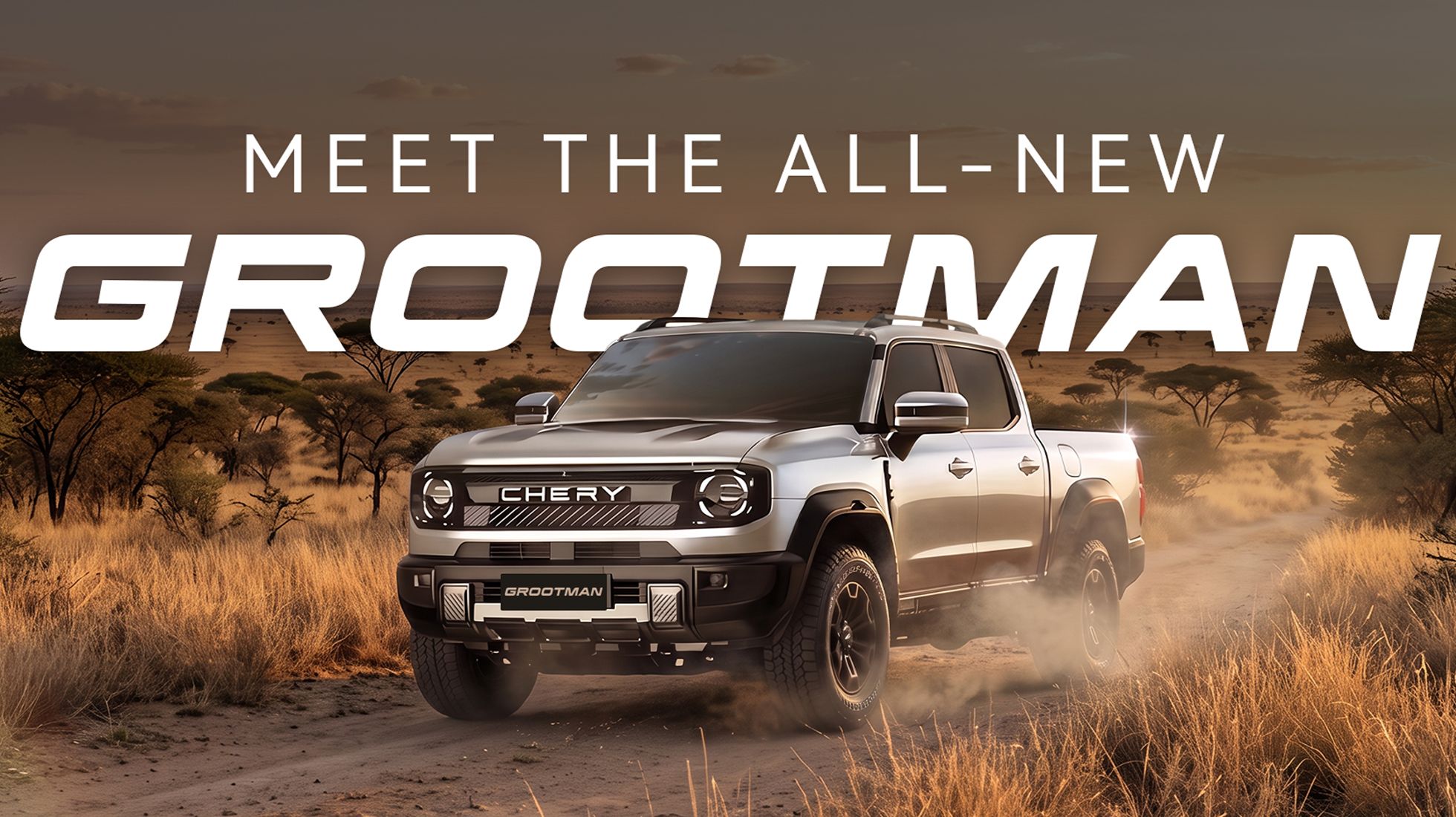
There is no point in sugar-coating the harsh reality that 2025 was a bruising year for Volkswagen SA. Its commanding market share came under sustained pressure as competitors, particularly from China and Japan, continued to gain traction in South African households through aggressively priced products and unyielding model introductions.
The challenge for a juggernaut legacy manufacturer like Volkswagen is not a lack of engineering competence, brand equity or product offering. It is a structural issue. Competing on price in a market increasingly driven by affordability is one challenge. But coupled with the cost burden of local manufacturing, regulatory compliance, supply chains, and export logistics, VW has a heavier burden on its shoulders to remain competitive and profitable.
And given the industry’s swing and the product and technology shifts, the uncomfortable truth is that VW is fighting with one hand tied behind its back. While newer entrants optimise for speed, scale and cost often with fewer local obligations, established players like Volkswagen must balance competitiveness with long-term industrial responsibility…and again, profitability. In 2025, these tensions became far harder to juggle. Things got real.
South Africa’s Structural Headwinds
Volkswagen’s local challenges do not exist in isolation. They are a symptom of a broader national environment that has become increasingly hostile to manufacturing and any sort of local industrialisation.
Our ports, logistics and rail infrastructure, plus our expensive energy supply, are no longer abstract policy discussion points. They are daily operational constraints that lay burden right at the doorstep of VW’s manufacturing hub in Kariega. Delays at ports impact export timelines, where time and waiting equate to money and inefficiencies. Energy instability and rising cost, raises manufacturing production costs. Poor municipal services and transport inefficiencies compound the difficulty of doing smart business at scale.
Layered onto this is a shifting global trade environment. Protectionist tendencies in key export markets, particularly stemming from United States trade policy decisions, have altered supplier and demand dynamics and also introduced uncertainty into global supply chains. For export-reliant manufacturers like Volkswagen South Africa, these shifts matter as they curb VW’s ability to export at scale.
Manufacturing still matters deeply to South Africa’s economy. In fact, as economist Professor Adrian Saville pointed out during our VW sit-down, the automotive sector is one of the few areas where South Africa remains somewhat competitive globally. But there is no longer any margin for error. There is simply no option but to thrive. That ‘make or break’ analogy holds true here more than ever before.
Policy Failure Around New Energy Vehicles (NEVs)
As the automotive industry transitions toward New Energy Vehicles, companies like VW are at a critical crossroads. The local market’s slow adoption of NEVs is one pressure point, but the ability of a local player to produce NEVs for both a strong local market and a burgeoning global market is the first prize. South Africa’s slow and uncertain transition toward a robust and beneficial NEV policy doesn’t bode well, especially given the government’s lethargic approach to implementing any policy shifts in this regard. NEVs are still expensive thanks to the government’s increased taxes on these vehicle types. With global pressure to invest heavily in hybridisation and full battery-electric architectures, the policy environment leaves local manufacturers exposed. VW, even more so.
For VW, the absence of competitive NEV incentives is no longer a neutral discussion – it has become a harsh one. Volkswagen is being asked to modernise its production footprint, invest in new NEV technologies, and maintain export relevance and profit, without the fiscal or regulatory tools that are the norm elsewhere in the world. This places additional strain on the local business case and complicates conversations with the head office, whose main role is to allocate capital in an increasingly competitive world. The SA government needs to recognise the potential threat to a well-built legacy that is almost as South African as braai tjops. It’s a legacy that, if not protected, will see a significant loss to the local economy – one that’s been built over 75 years.
The SKD vs CKD Problem
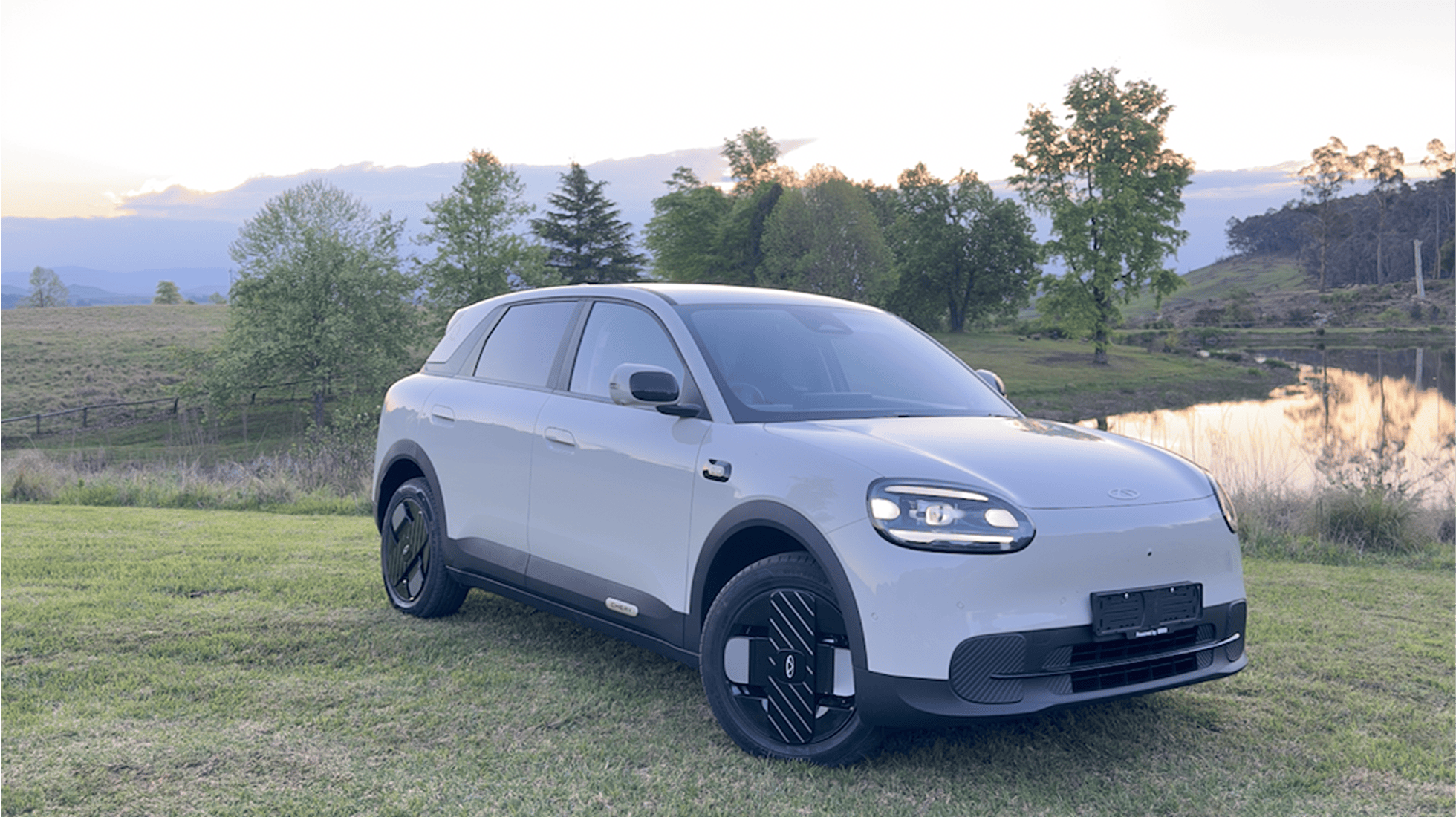
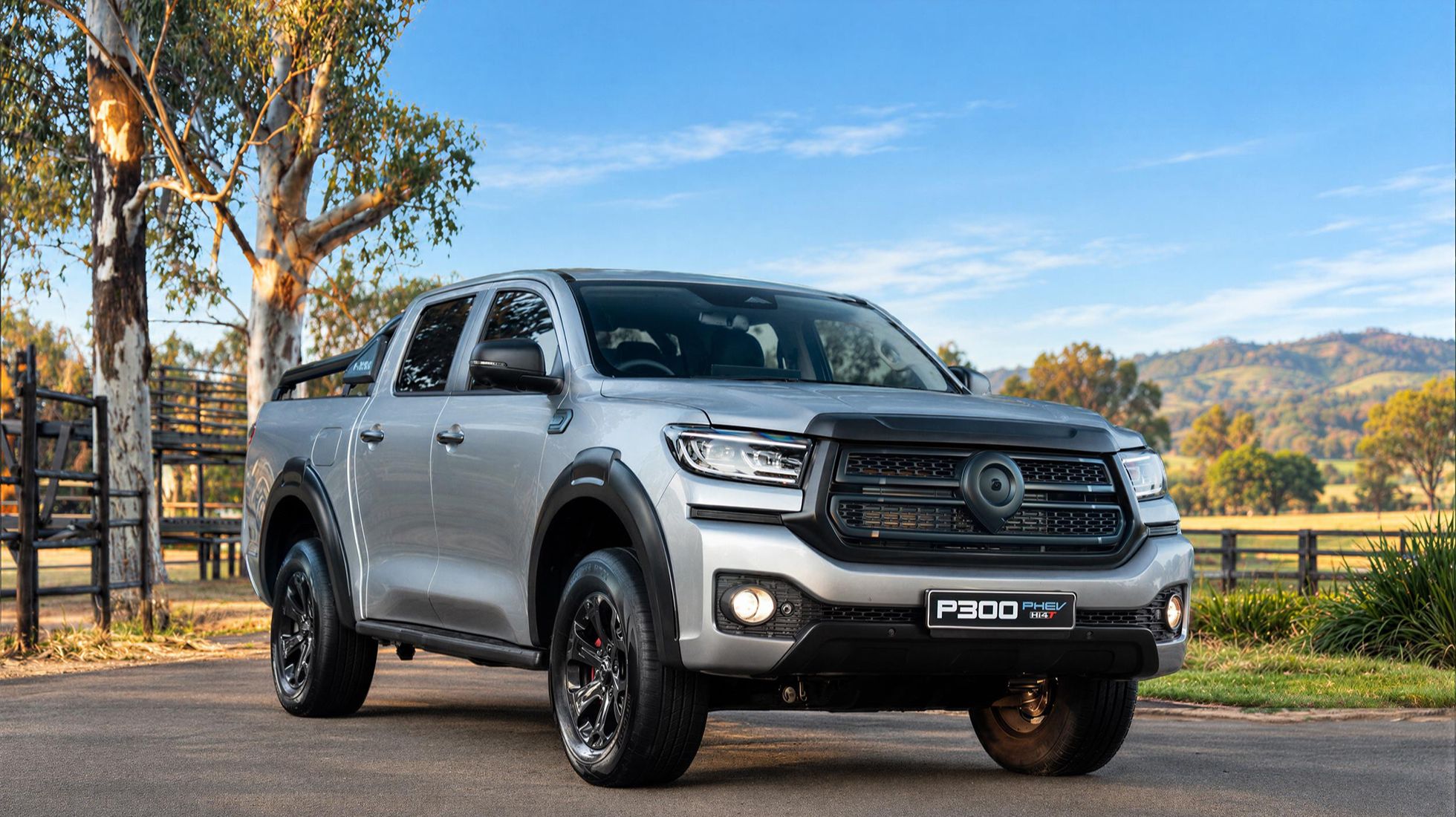
One of the most contentious and perhaps least discussed dynamics shaping the local automotive landscape is the distinction between SKD (Semi-Knocked Down) and CKD (Completely Knocked Down) manufacturing. There are a few new entrants from China that have established or are in the process of establishing SKD operations in South Africa. BAIC and Foton’s operations in Coega are an example of SKD facilities. The going concern from VW and other local CKD operations is that these SKD plants are benefiting from incentives that were originally designed to stimulate local manufacturing. SKD plants arrive as semi-assembled parts, only plugged together on local soil. But the far-reaching economies of suppliers, parts development, and manufacturing still sit offshore. CKD operators have issues with this – not necessarily because of the competitive aspect, but more so because the policies are distorted. SKD operations often rely heavily on imported components, engage minimal local supplier networks, and create far less downstream industrial value than full CKD programmes. Yet, in many cases, they enjoy similar benefits.
For established manufacturers like Volkswagen, which have invested decades into local supplier development, skills transfer and export-grade manufacturing and logistics, this creates an uneven playing field. The result is a system that inadvertently rewards speed over substance, and volume over long-term shared value.
The Germany Question
Ultimately, Volkswagen Group Africa does not operate in a vacuum. Strategic decisions are made in Germany, where South Africa is one option among many in a competitive global manufacturing map. Wolfsburg does not run on sentiment. It runs on data, profitability, and long-term competitiveness. For us (South Africa) to remain relevant within Volkswagen’s global footprint, it must present a compelling, future-proof business case — one that balances cost, policy adherence and certainty, export potential, technological readiness and a healthy local market. It’s much harder to make a strong case about this.
And this is the context within which Managing Director Martina Biene has openly engaged with policymakers and government leadership, pressing for reform and clarity around the frameworks that will determine whether local manufacturing can evolve or stagnate. She has admitted to even writing a letter to President Cyril Ramaphosa in late 2025, requesting policy direction and painting a vivid picture of a reality she feels isn’t being observed or acted upon.
2026 is a Big Year. Why does it matter so much?
On 31 August 2026, Volkswagen Group Africa will mark 75 years of manufacturing in South Africa. What a milestone. It’s something that very few automotive brands can claim. VW, as a household name in South Africa, is very much a part of our industrial and even our cultural history. But something about our recent engagement with VW made this anniversary much more than just another symbol of legacy. It feels like some sort of reckoning. It’s a year in which Volkswagen must not only arrest market share decline, but where it must also demonstrate relevance and future-proofing in a rapidly changing automotive landscape. It’s a year in which VW South Africa must ensure it remains rooted in the local manufacturing economy.
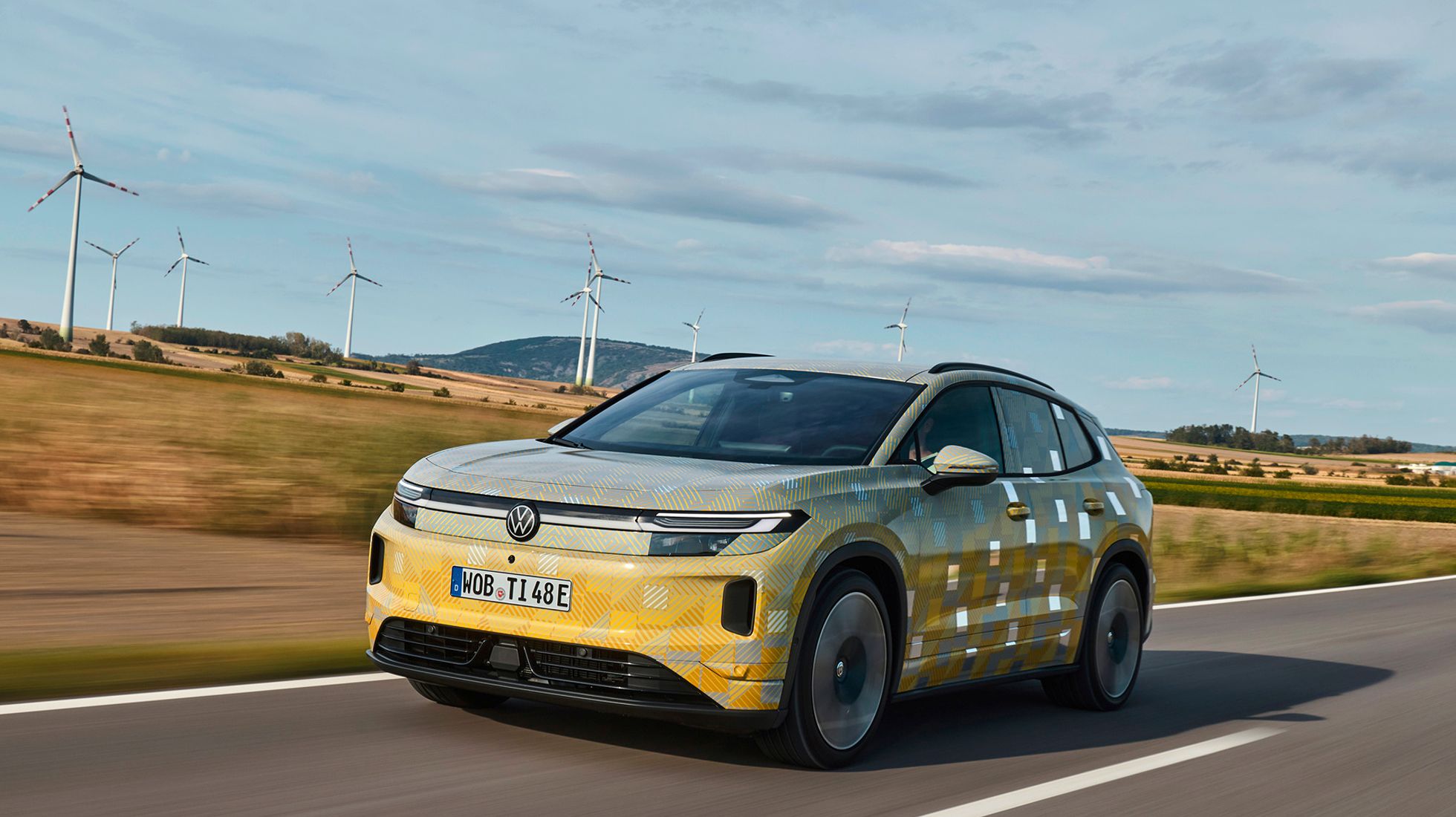
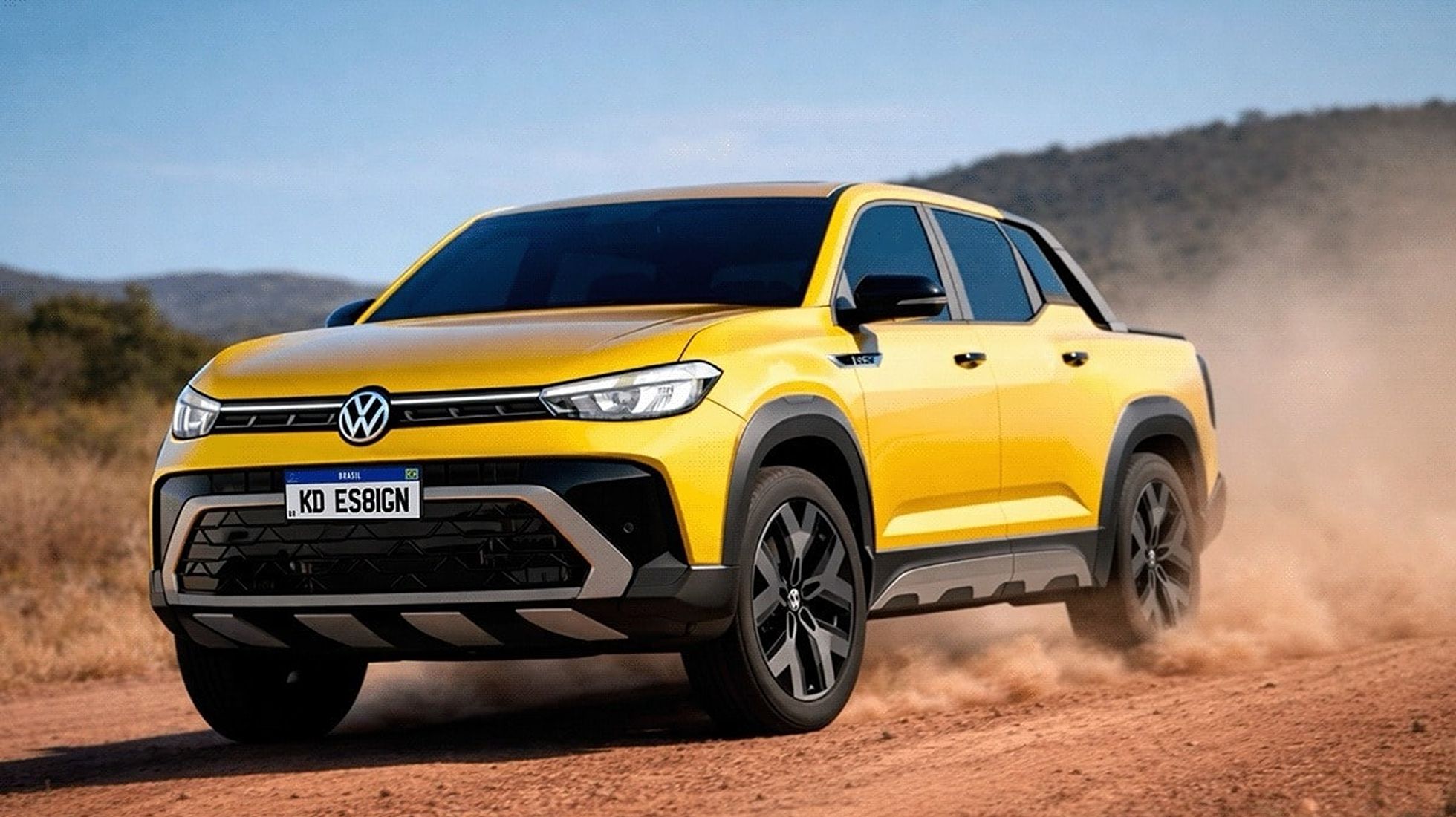
It’s certainly a stark reality. But it’s one that the local operation is very aware of, and very much up to the task of fighting the fight. There’s much on the horizon as far as product introductions and factory outputs are concerned. Manufacture of the new VW Tengo is all systems go, and that is one of those investments that has a lot more riding on it than ever before.
What happens next will shape not just Volkswagen’s future in South Africa, but the broader narrative of automotive manufacturing in the country.